Best of
The most Japanese luxury hotels in Tokyo
In short. Hoshinoya is the only luxury hotel in central Tokyo that feels Japanese from the front door; the Aman has the most Japanese room; the Okura's Heritage Wing is the best value. Most international towers could be anywhere.
A lot of Tokyo's luxury hotels could be in Singapore or Dubai. The view tells you where you are, but the room, the restaurant and the service are international. If you want Japan inside the hotel and not just outside the window, the choice is much smaller. Here are the hotels I'd book for it, from most to least Japanese.
Hoshinoya Tokyo: Japanese from the front door
Hoshinoya is a ryokan stacked inside a 17-storey tower in Otemachi, and nothing else in central Tokyo feels this Japanese. You go through tall hiba-wood doors into a long tatami hall, take your shoes off, and stay in tabi socks for the rest of your stay, lifts and corridors included. The rooms have tatami floors, low beds and shoji screens, and there's a real hot spring on the roof.
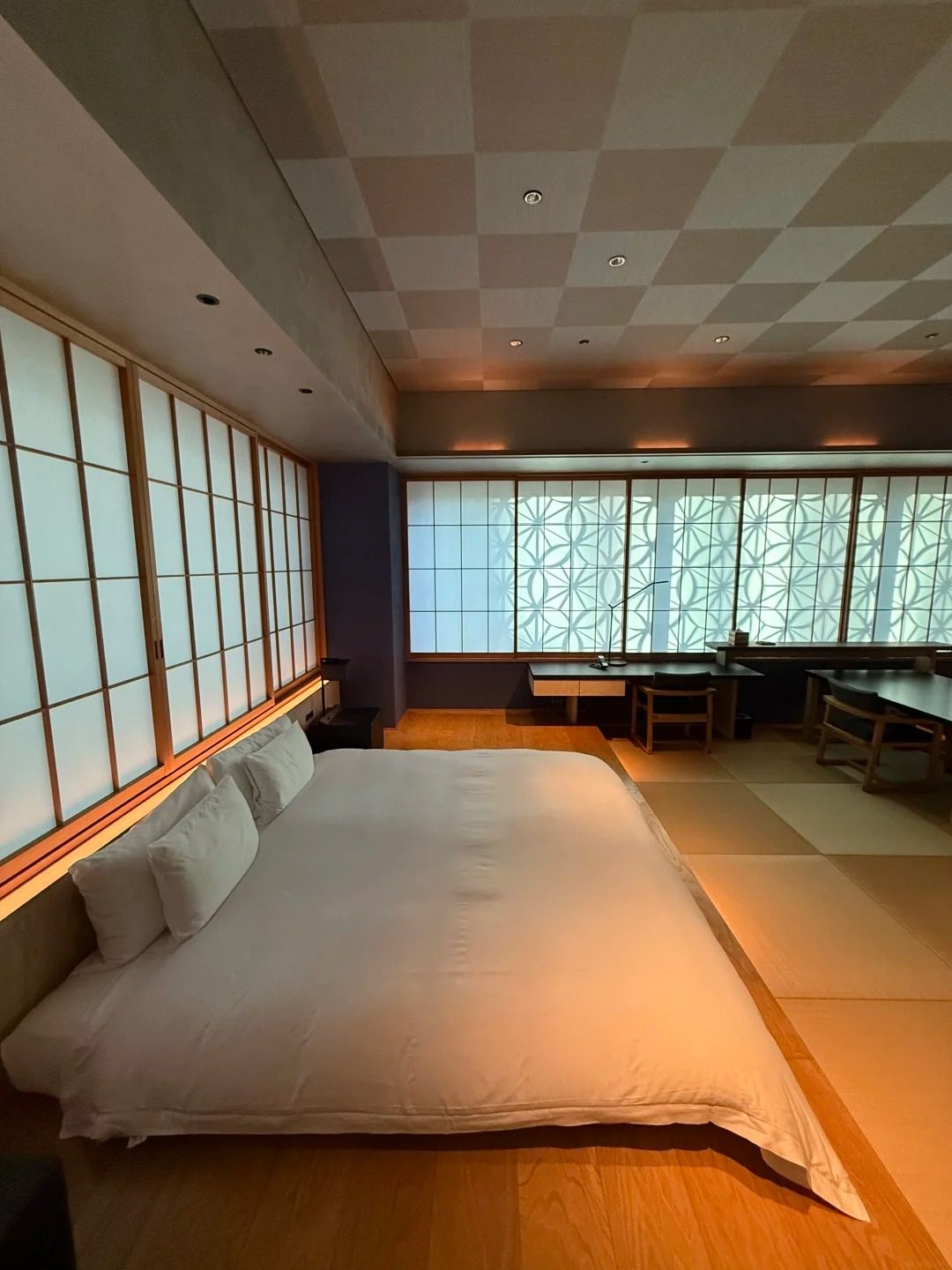
It's best for two nights. The hotel runs on rules, there's no concierge to book restaurants, the rooms look at offices, and the neighbourhood shuts at weekends. But for a short stay, I can't think of anything better in the city. Read the full Hoshinoya review.
Aman Tokyo: the most Japanese room
If Hoshinoya is the most Japanese hotel, the Aman has the most Japanese room of any tower hotel. The walls are basalt, the tub is stone and the washing area is hinoki, and none of it is a printed panel pretending to be wood. At turndown they leave a tenugui towel, a herbal bath sachet and a single hinoki leaf.
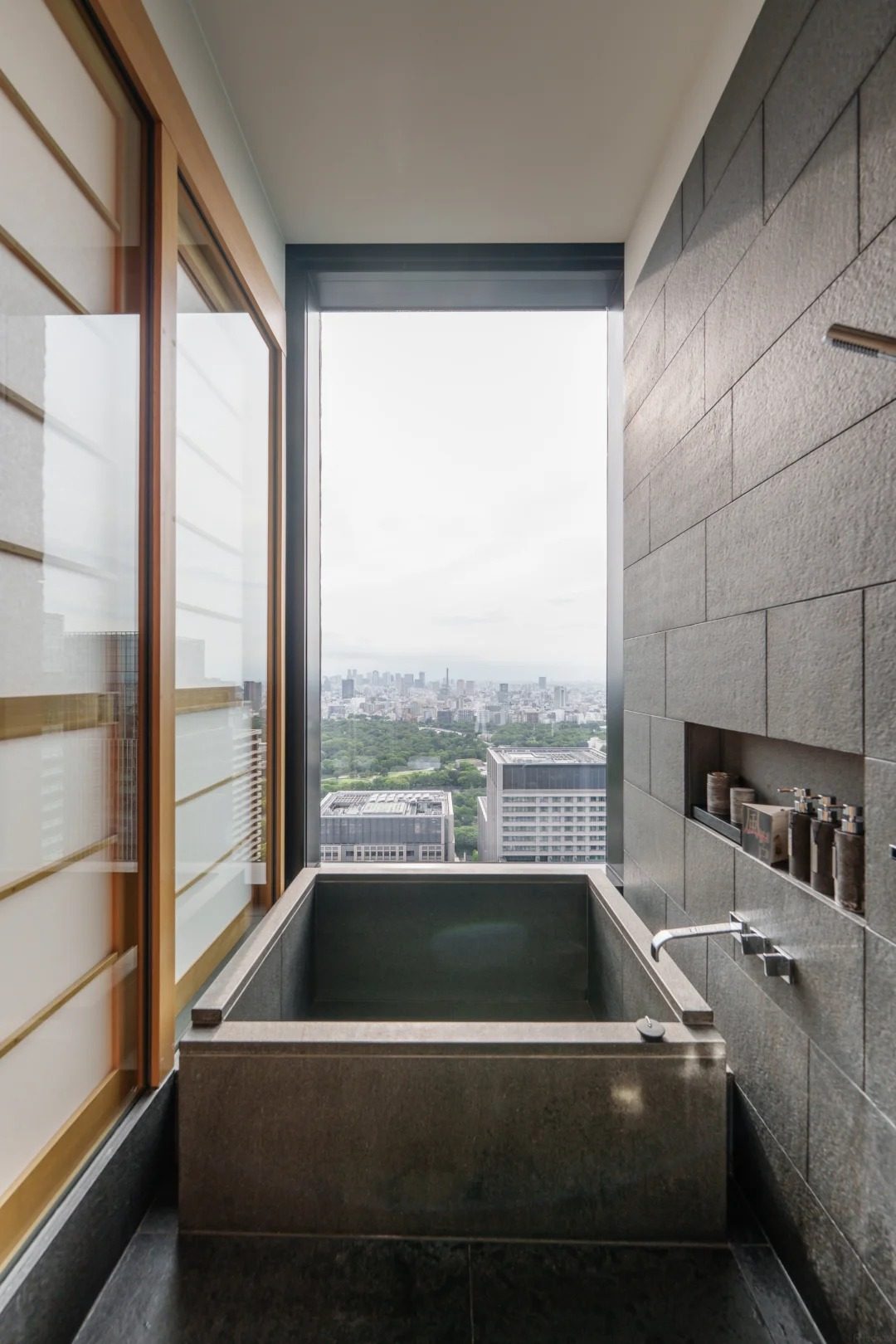
The lobby, under a six-storey washi lantern, is one of the two finest in Tokyo; the other is the Okura's. Outside the room, though, it's a big hotel: the service is distant if they don't know you, and the food is ordinary. Read the full Aman review.
The Okura Tokyo: the best value, in the Heritage Wing
The Okura's main lobby is Yoshio Taniguchi's recreation of his father's 1962 original, with the old Okura lanterns and lacquer plum-blossom tables, and I think it's the most beautiful hotel lobby in the city. In the Heritage Wing, check-in can be done in your room over tea, the way a ryokan does it, and the Japanese breakfast at Yamazato looks onto the garden.
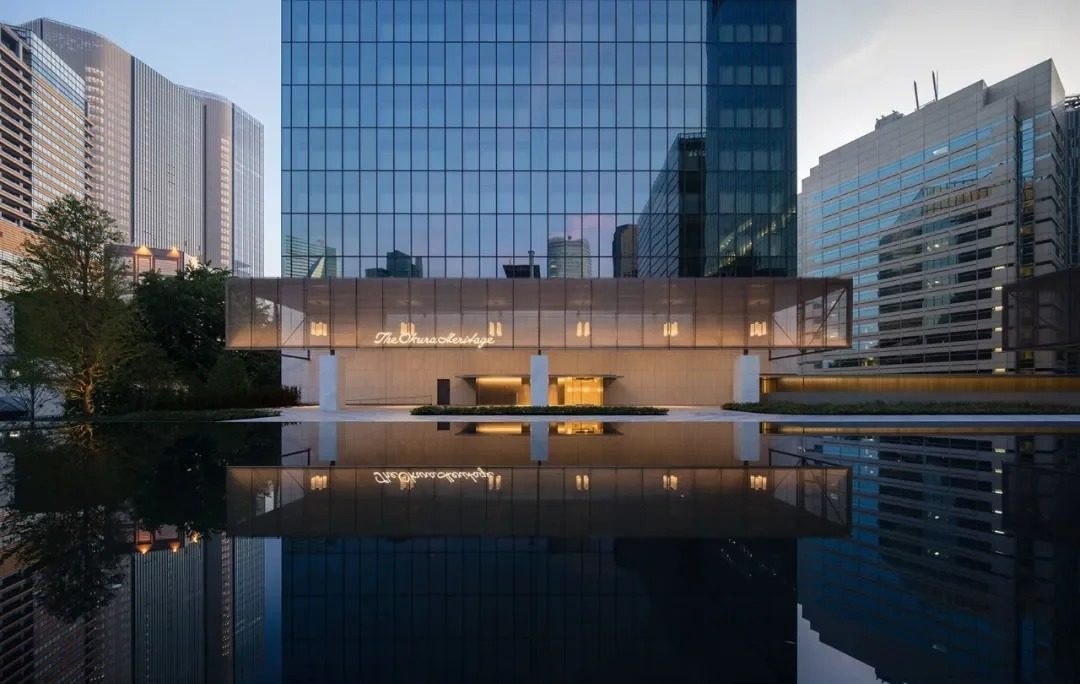
It costs roughly half what the Palace charges, and far less than the Aman, which makes it the best value on this list. Book the Heritage Wing, not the tower, which is closer to a smart business hotel. Read the full Okura review.
Palace Hotel Tokyo: Japanese in the service
The Palace is Tokyo's Japanese-owned grand hotel, and you'll feel Japan in the service, the small rituals and the craft details rather than in the rooms, which are handsome but international. The welcome tea is Jugetsudo sencha with HIGASHIYA sweet beans and a Nanbu iron teapot. Read the full Palace review.
Imperial Hotel Tokyo: Japanese as an institution
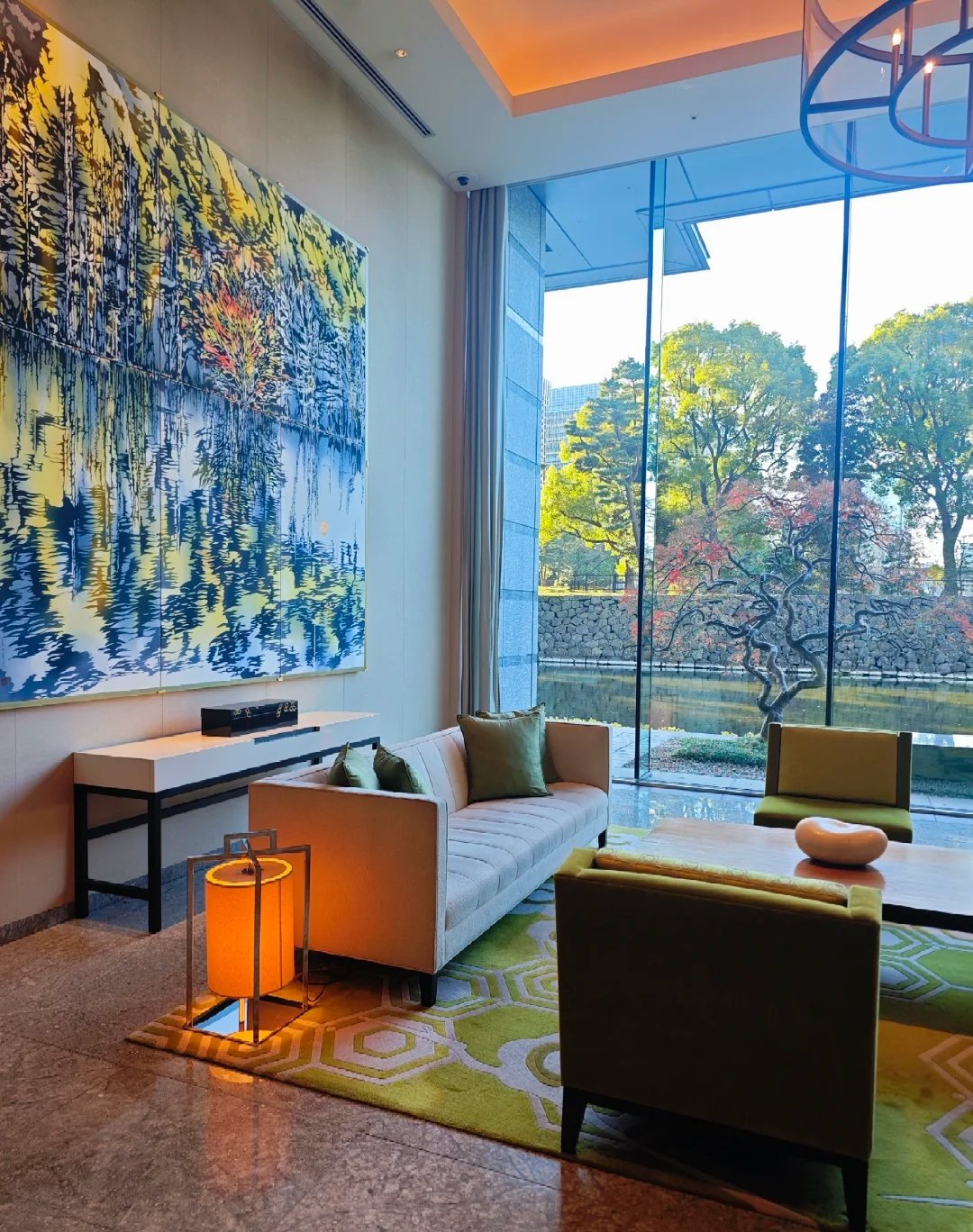
The Imperial's rooms are Western and mid-century, so they won't do it. What feels Japanese is the institution: the hotel of state guests since 1890, with kimono-clad attendants, only real flowers in the building and a fresh rose in every lift each day. The Old Imperial Bar is the one surviving piece of Frank Lloyd Wright's 1923 building. Read the full Imperial review.
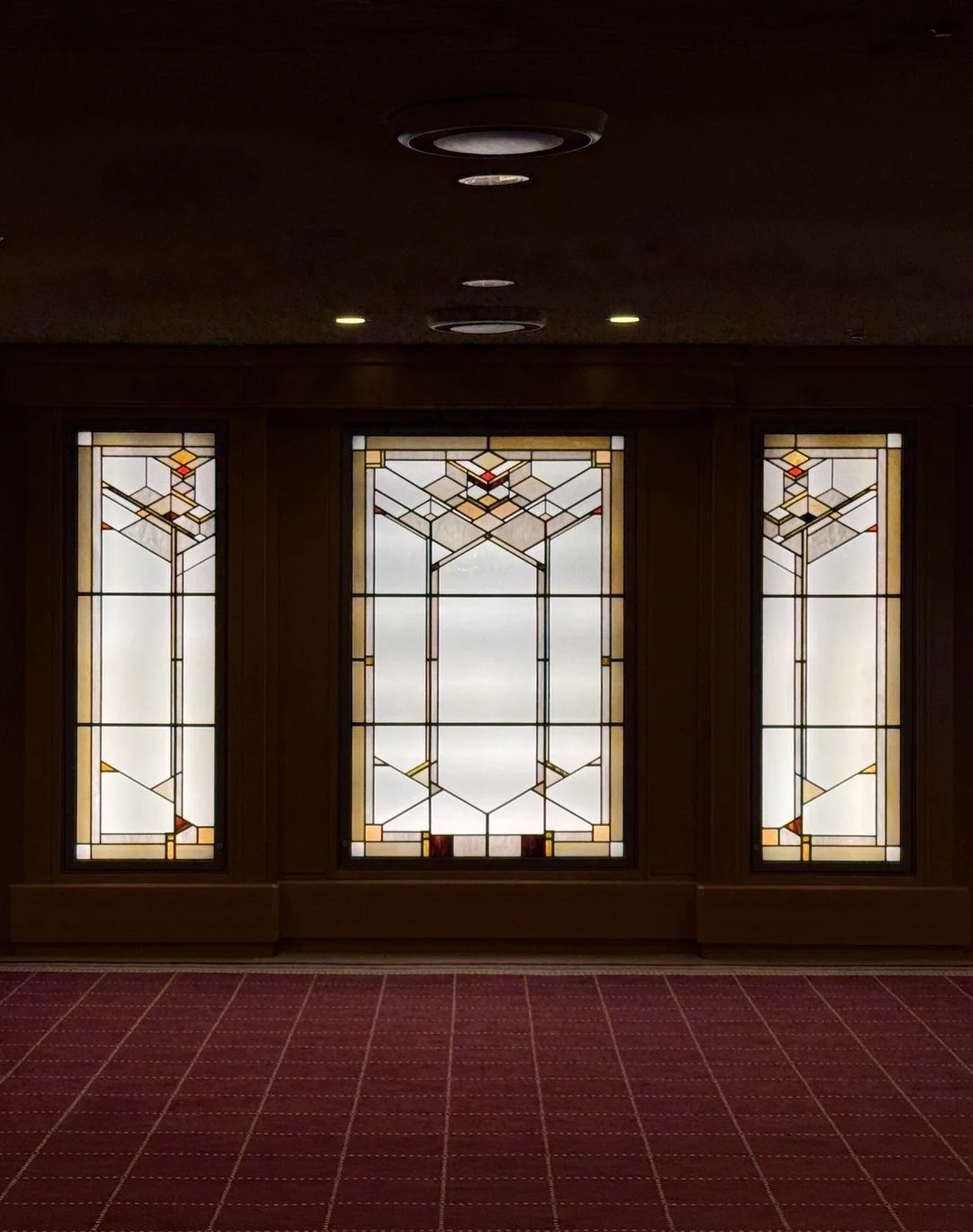
Mandarin Oriental Tokyo: real craft in an international tower
For an international tower, the Mandarin Oriental does better than most. The folding fan comes from Ibasen, an Edo-era fan maker a few streets away, and there are washi lanterns, stencils and lacquer yukata boxes. It's still a 2005 Mandarin Oriental at heart. Read the full Mandarin Oriental review.
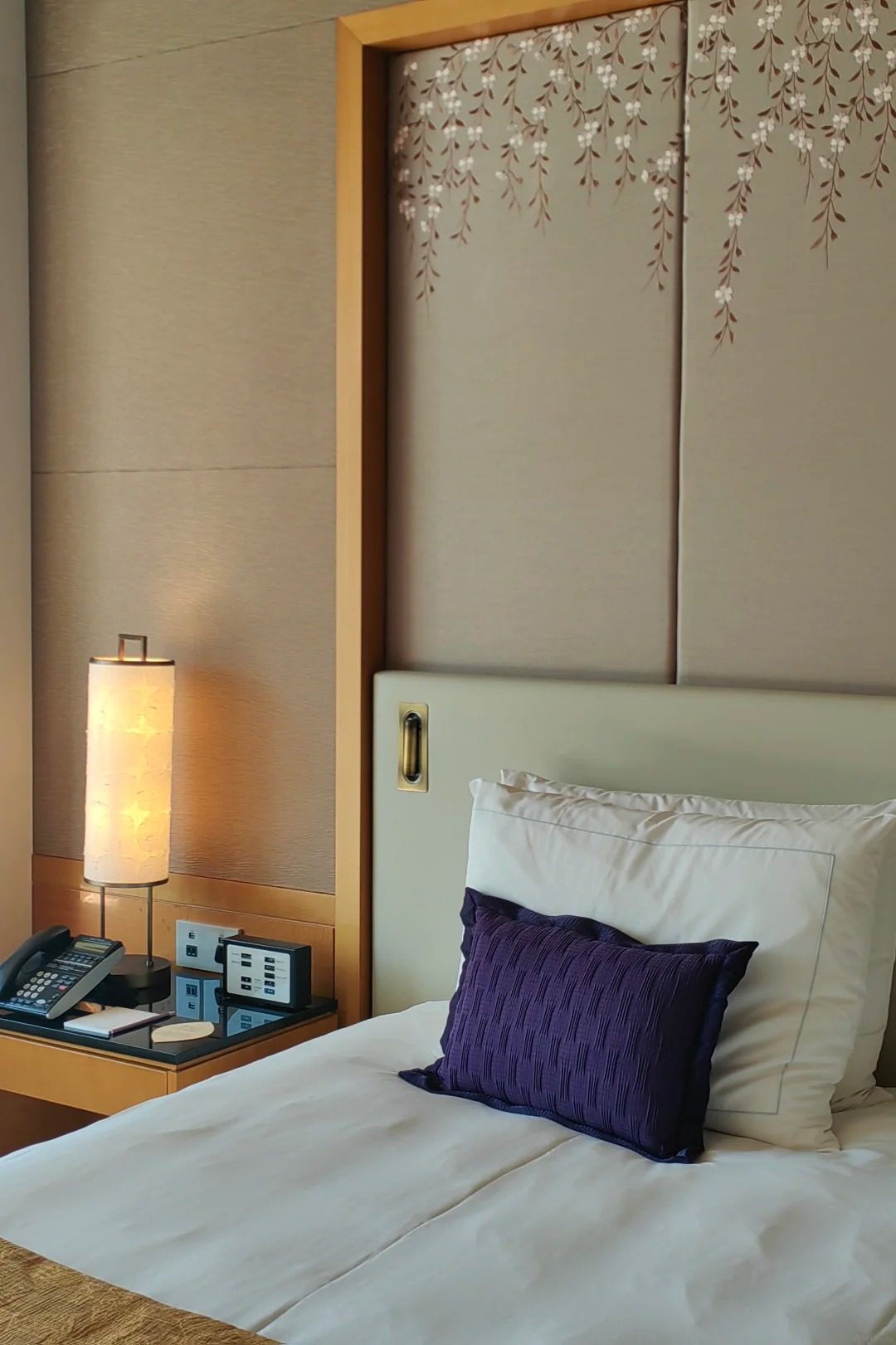
Hotels that could be anywhere
These are excellent hotels in other ways, but I wouldn't book them for a sense of Japan:
- Bulgari: an Italian brand doing Italy in Tokyo.
- Four Seasons Otemachi: my room could have been in Bangkok, and there's no Japanese restaurant.
- The Ritz-Carlton: an American grand hotel that happens to be very high up.
- Shangri-La: mostly Chinese art and international Asian design.
- Park Hyatt: international Tokyo in 1994.
- Janu: shoji screens in what feels like a modern European residence.
How I'd do it
My favourite way to get Japan into a Tokyo trip is to split it: two nights at Hoshinoya for the tatami and the onsen, then move to the Okura's Heritage Wing or the Palace for the rest, where you have a concierge, a bar and more space. And if you want a full ryokan experience with a garden and kaiseki, do it outside Tokyo; I'd suggest Gora Kadan in Hakone.