Park Hyatt Tokyo: rebuilt to look exactly the same
Verdict. The best public floors and spa in Tokyo, in rebuilt but unchanged rooms and an awkward location; book it for a return trip, in a Deluxe or Corner room.
If you loved the Park Hyatt before, you'll be relieved: it closed for 19 months, spent a fortune, and came back looking almost exactly the way it did. I think that's mostly good news. The rooms were never the best bit anyway, and the 41st floor, the spa and the bar on 52 are as good as ever.
The hotel fills floors 39 to 52 of Kenzo Tange's Shinjuku Park Tower, and it reopened in December 2025. The rooms were stripped almost to the shell and rebuilt to the old design in new materials, so if you knew the place before, you'll recognise it at once.
Would I book it for a first trip to Tokyo? No. For a second trip, yes, and I'll explain why.
I stayed in a Deluxe King on the city side.
Arrival
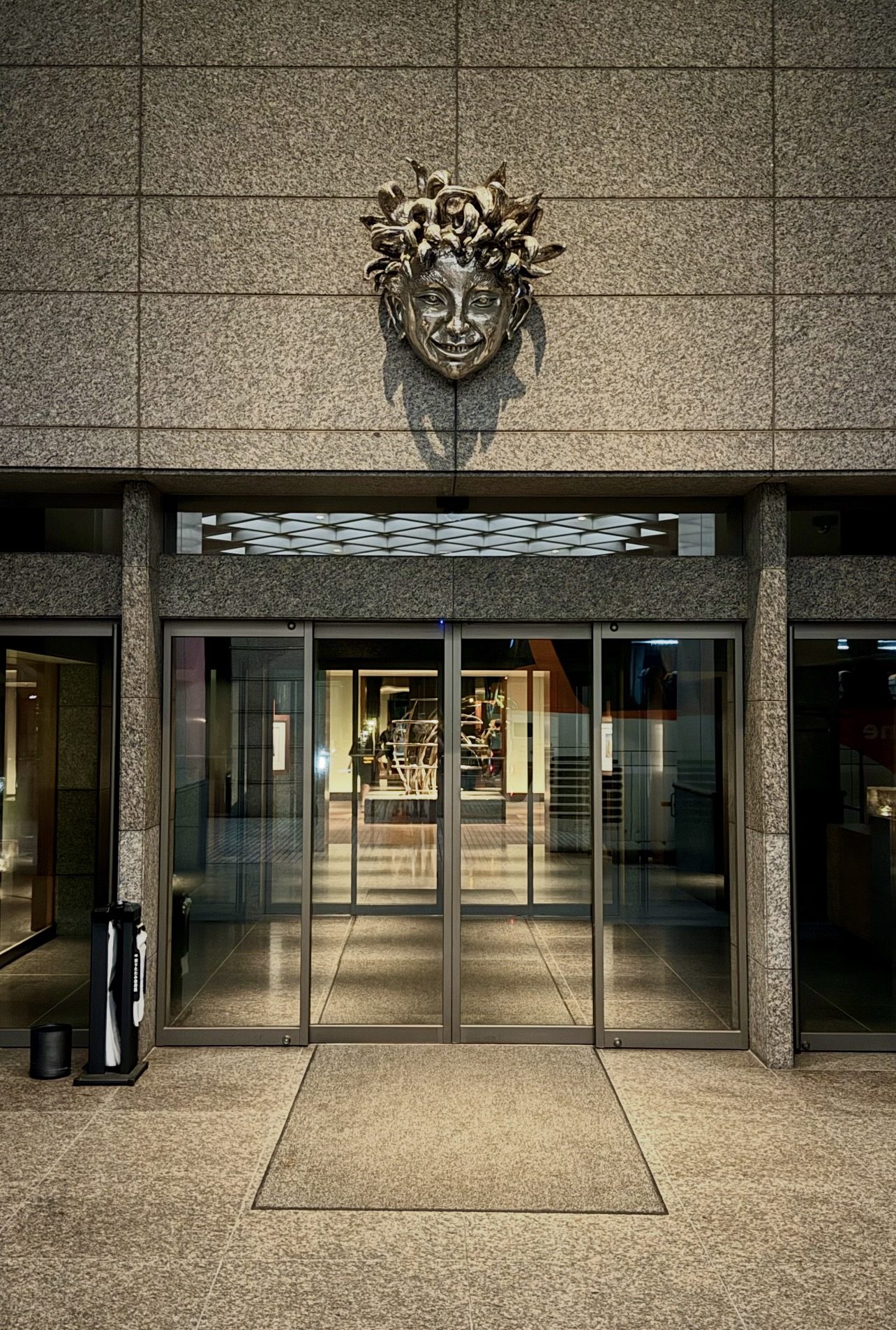
The walk from the lift to reception is still the best arrival in Tokyo. Finding the front door is the hard part.
The entrance is a car porch on the tower's second floor, and it looks like the entrance to an office block. Taxi drivers often get it wrong and drop you on the far side of the complex, which in winter means a long, cold walk round the building. Show them the hotel's own map.
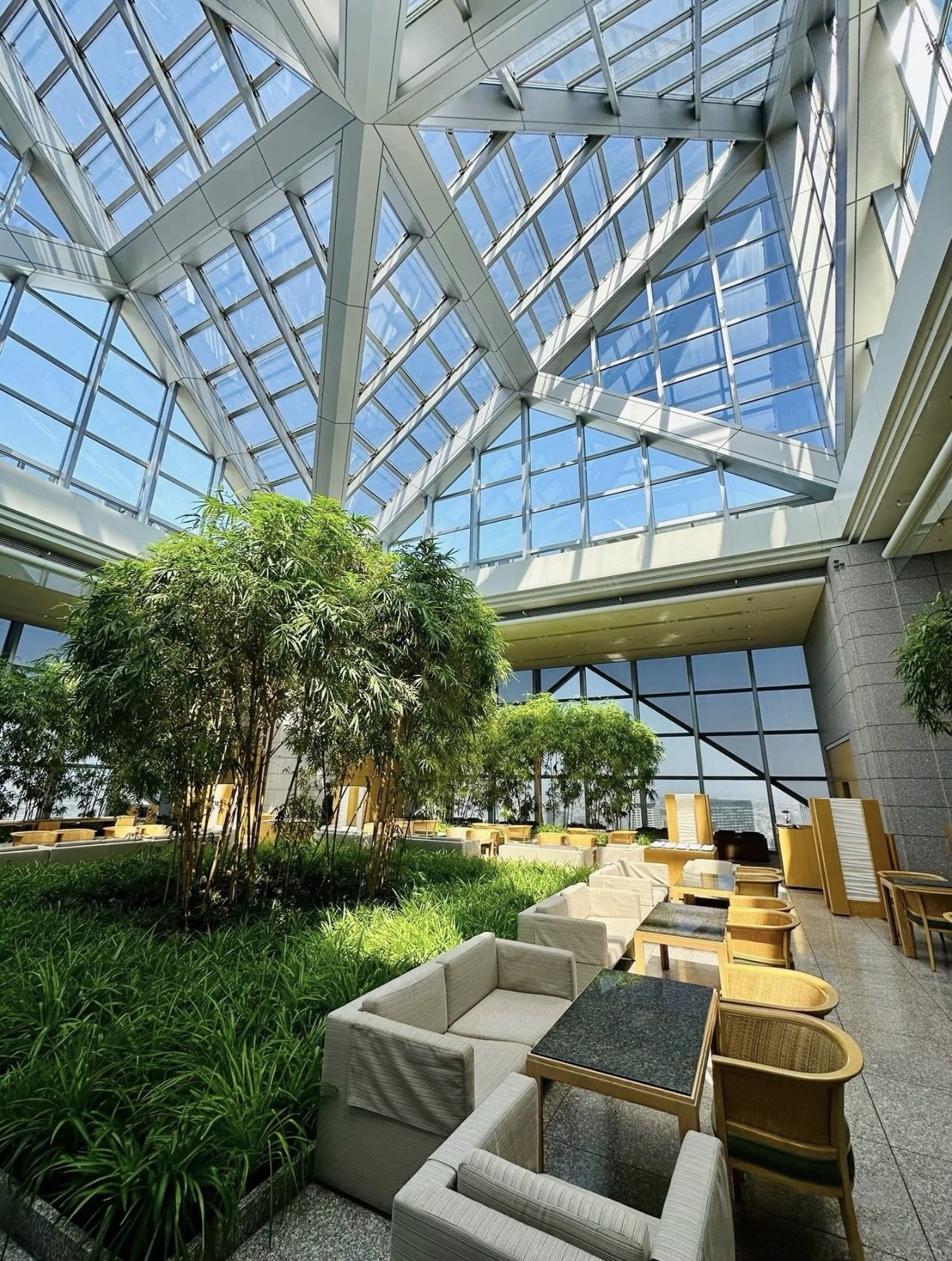
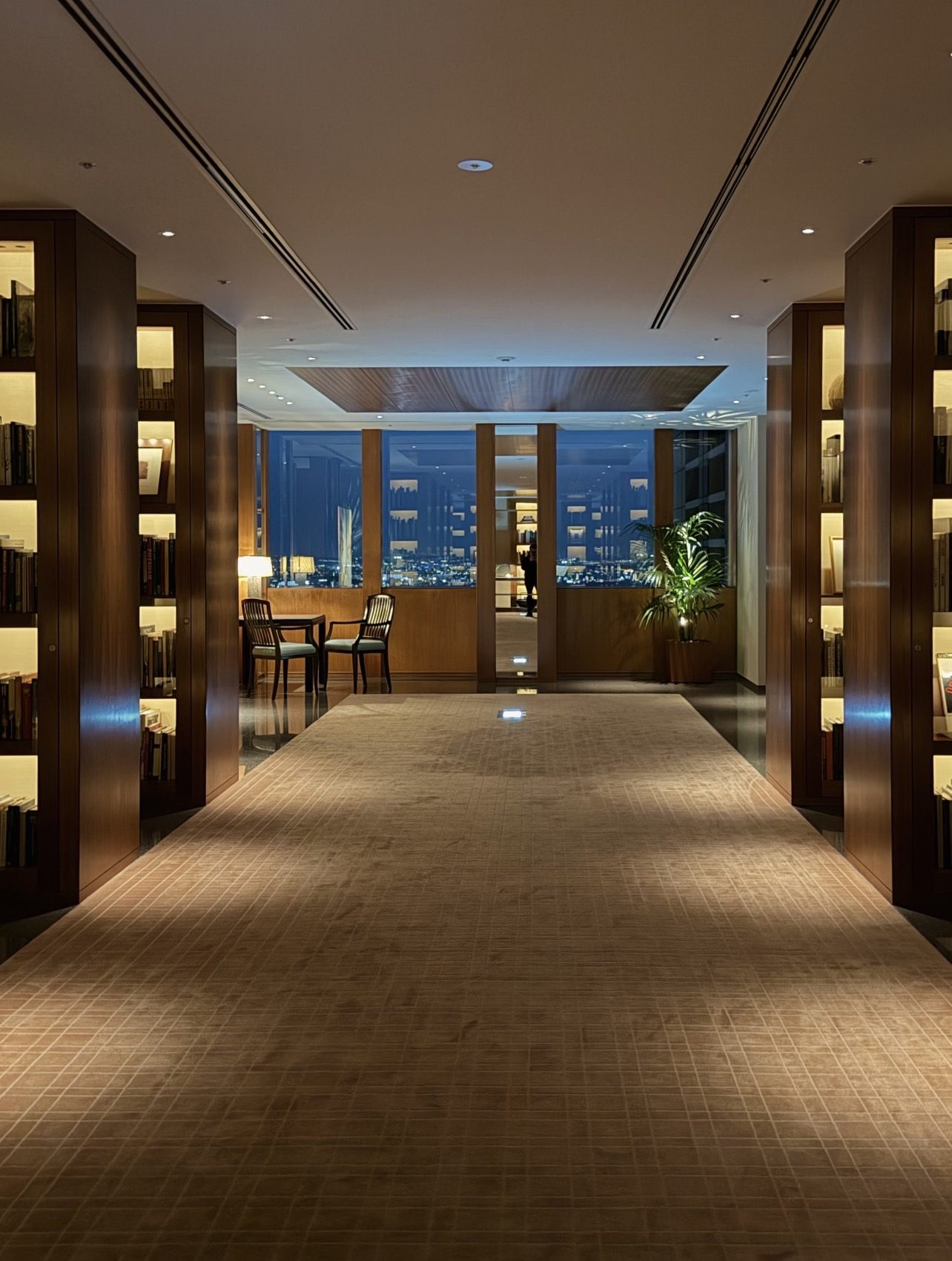
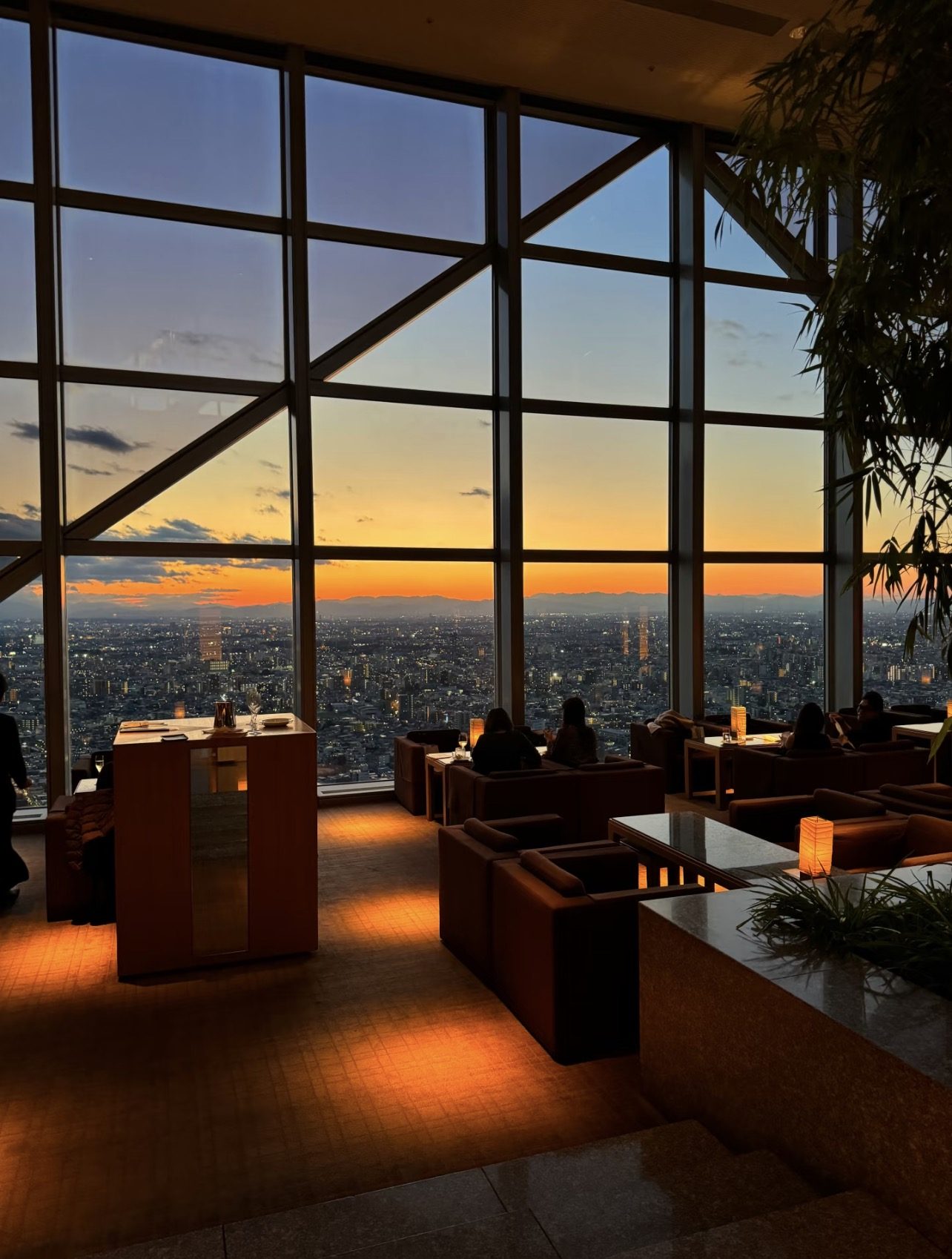
Then the lift opens on 41 into the bamboo atrium, and it all makes sense. You walk past Girandole and the library to reception, and that walk is the reason people come. Check-in is done sitting down, and someone took me up to the room afterwards.
Let them take you, because the rooms are reached by a second bank of lifts and the layout takes a day to learn. The film is called Lost in Translation, and the hotel has very faithfully kept the lost part.
Don't expect Champagne. In the first weeks after the reopening it was poured for everyone, and then it stopped for standard rooms. Suites still get Ruinart. I got seasonal fruit. Somewhere between the opening and my stay, the Champagne turned back into fruit, which is not how wine is supposed to work.
Getting here is the hotel's real problem. Shinjuku Station is 10 to 15 minutes' walk, uncovered and uphill, and the West Exit is a construction site that won't be finished until about 2035. I'd never drag luggage through it. The airport limousine bus stops at the hotel door.
The room
The rooms are comfortable and very conservative. If you knew the old hotel, you'll recognise them at once, which makes this the most expensive game of spot-the-difference in Tokyo.
In photos they look generic and very beige. In person, though, the build quality makes the case for them.
Bedroom
My Deluxe King was 55 square metres, on the city side. Meiji Jingu's forest is directly below, with the skyline running from Shibuya to Akasaka. Nothing nearby is this tall, so the night view is the best thing in the room.
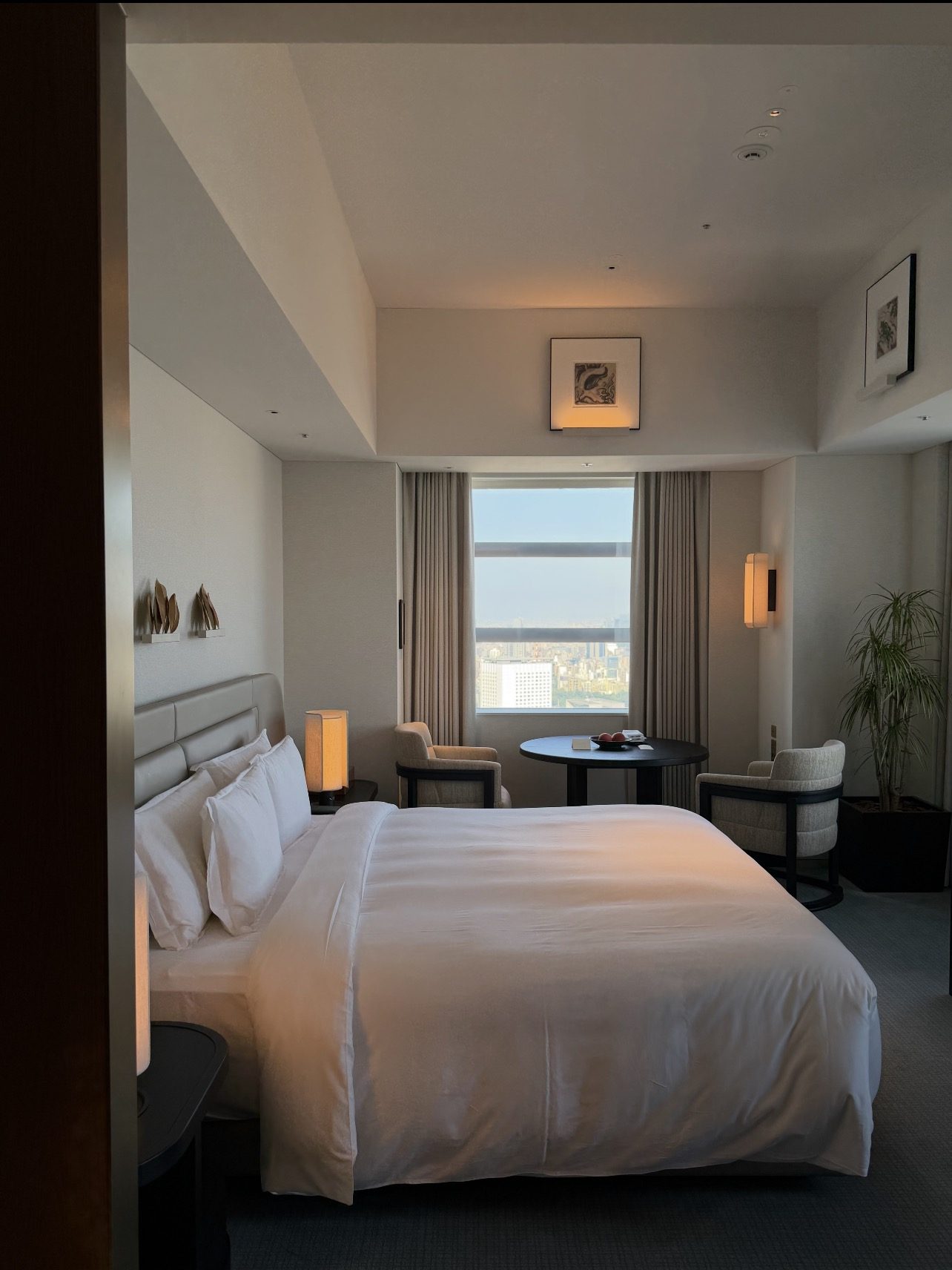
What you notice is the workmanship. The cabinetry is traditional sashimono wood joinery, there's Italian leather on the sliding doors, and the double vanity is carved from stone. The Deluxe also has a proper walk-in wardrobe with space for several suitcases.
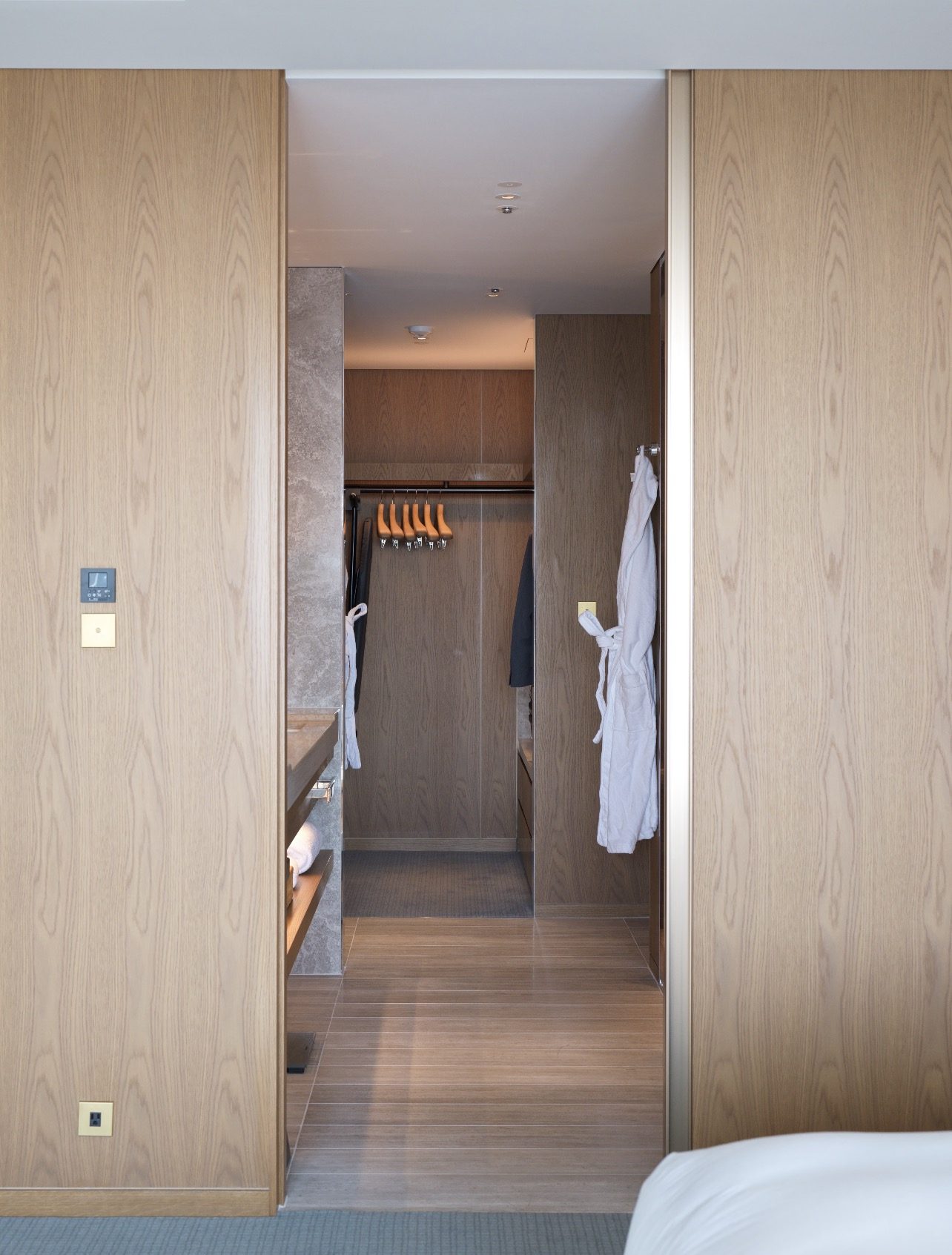
The mattress is one of the best hotel beds I've ever slept on, and the blackout curtains make the room fully dark.
The faults are the old ones, rebuilt as carefully as everything else. There's no desk, only a round table by the window, so if you need to work, you'll feel it. The tub is only big enough for one, too.
Bathroom
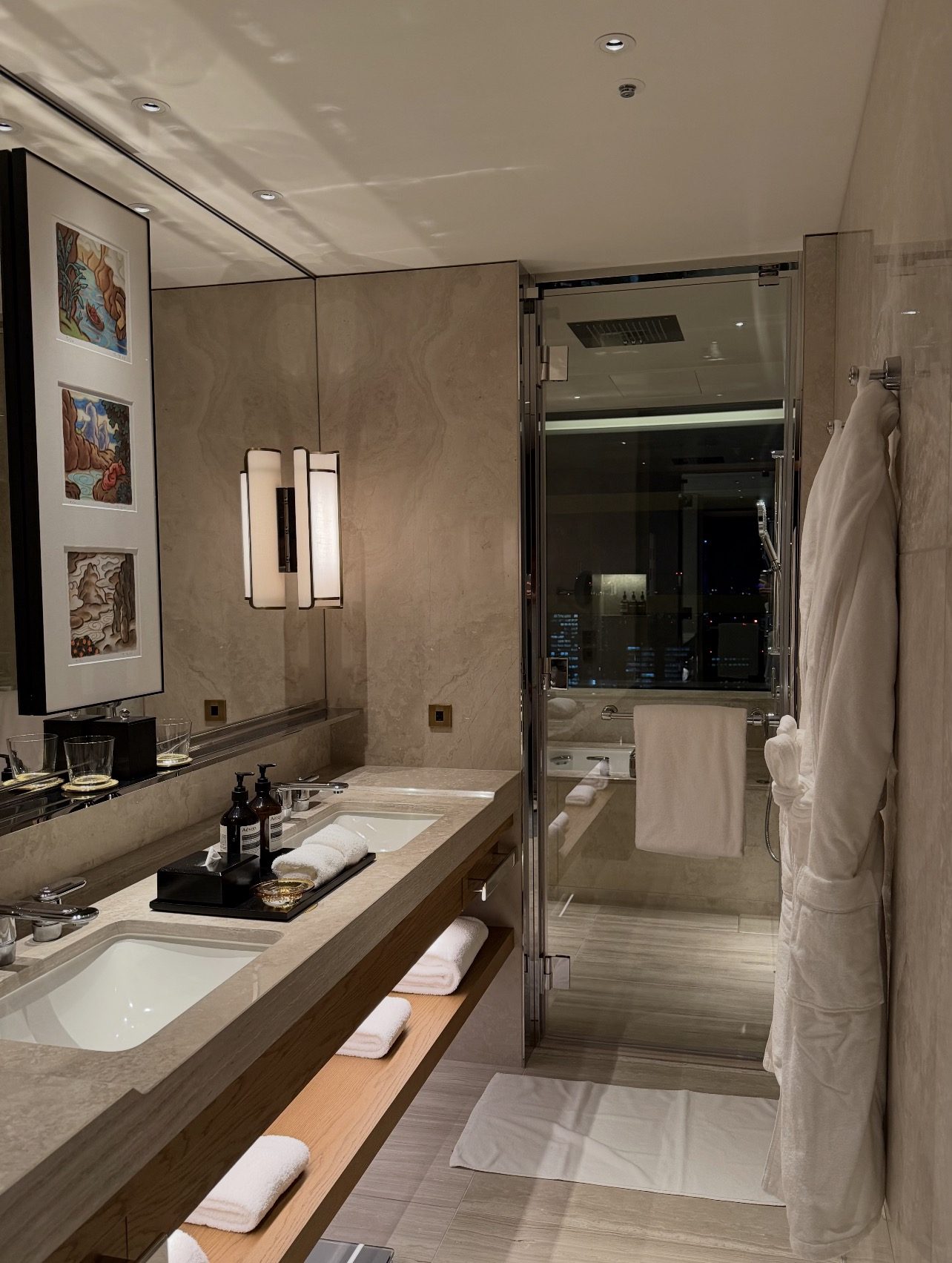
The bathroom is excellent. The deep tub and the rain shower share one glass wet room with a bench, the tub fills fast, and the Toto WC is separate. Products are Aesop.
Which room to book
The entry City View room is smaller, at around 45 square metres, and I'd pay up for the Deluxe. Better still is a Corner or Premium Corner room, which looks out on two sides. Deluxe rooms come in city and Fuji views, and you can request either. I'd go for the Fuji side in winter and the city side the rest of the year, for the night view.
Other rooms and suites
The suites are a trap if you pick by size. The new 85-square-metre Park Suite was carved out in the renovation and is really a mini-suite, and I'd take a good Deluxe over it. The Park Deluxe Suite is the old Park Suite, and that's the one worth an upgrade. The Ambassador Suite's extra space is mostly a long hallway lined with closets. Suites ending in -01 face the Skytree and Yoyogi, which is the view from the New York Bar.
If you're travelling with teenagers, note that children over 12 count as adults here. Two adults and two teenagers can't share a twin room, so you'll need two rooms and you'll pay for the extra breakfasts. Small children are well looked after, with baby toiletries and sleepwear provided.
Service
Service is polished and correct, and it rarely improvises. It's Japanese service at its most formal: staff will do anything within the rules, and that's about where it stops.
The first months after the reopening were shaky, with lots of new staff and turndown that came and went. That has settled now. Turndown was done every night, with ice waiting, and the desk team used my name without making a big show of it.
When something does go wrong, the fix is generous. The shoe-shine service replaced a pair of snapped laces at no charge.
English is good face to face and weaker on the phone, so use email for anything detailed. If you want a paid upgrade, ask at the desk when you arrive; it can cost far less than the offer they email you before you come.
If you have Hyatt status, keep your expectations low. Room-service breakfast isn't reliably included. And since April 2026 Hyatt has classed the hotel as a resort. It sits in an office tower in Nishi-Shinjuku, surrounded by more office towers, so if this is a resort, my local library is a spa. The one thing the label really changes is that late checkout is no longer a given.
Breakfast
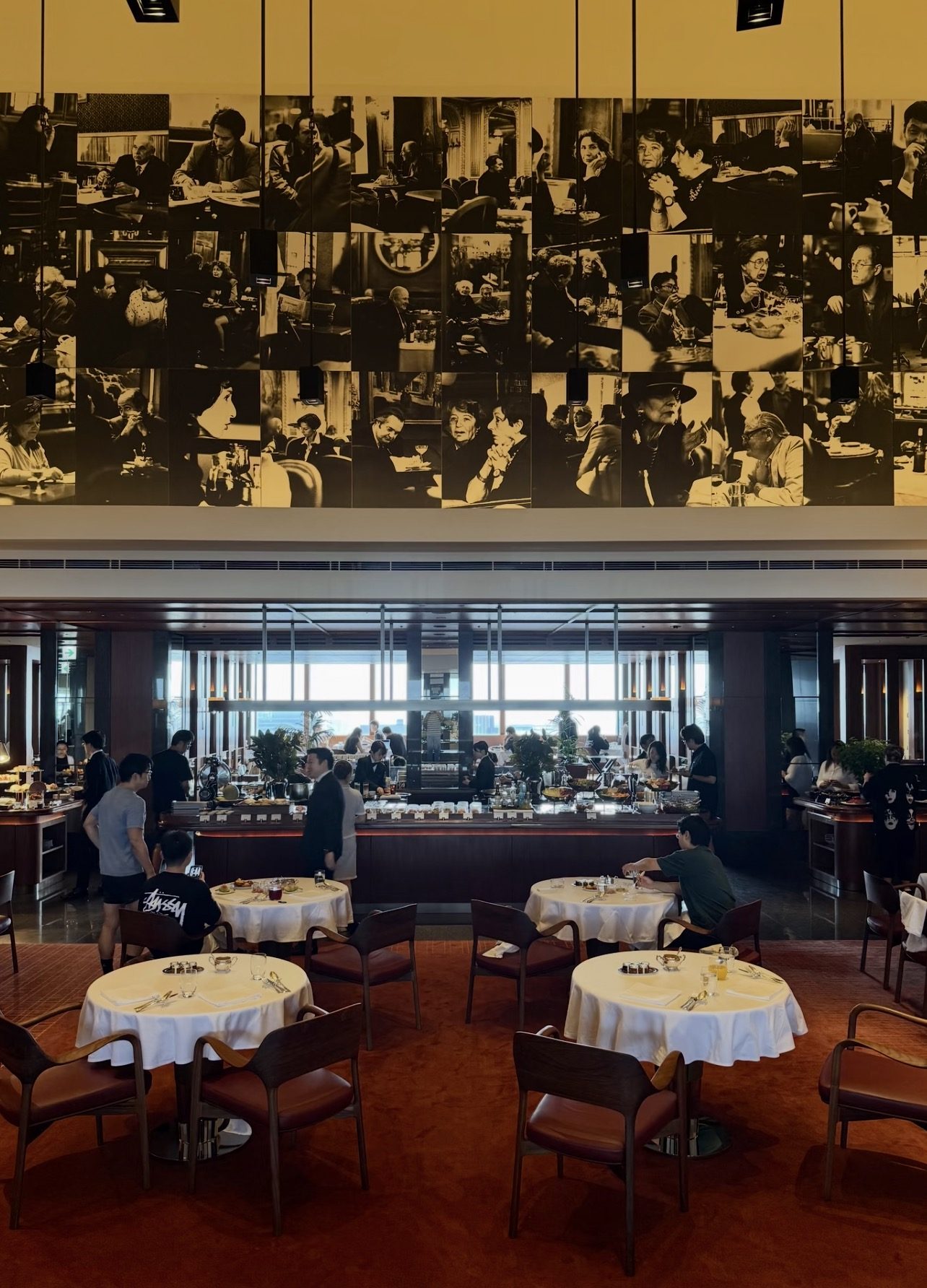
If you like small plated dishes, breakfast at Girandole is the best hotel breakfast in Tokyo. If you're a buffet person, you'll find it stingy. It's served on 41 from 7:00 to 10:30, for hotel guests only, and costs about ¥7,500 plus the 15% service charge.
The format is a counter of small, carefully made portions, plus one main from the menu. If you choose eggs, you can't also have the French toast, which feels mean at the price.
The melon with prosciutto, the fig and walnut sourdough and the warm madeleines brought round to the table are the reasons to go. Everything is pretty and precise. If you grew up on big Asian hotel buffets, though, you'll find it thin and a little bland, and I'd agree with you.
I'd skip the Japanese set. It comes from Kozue and has to be ordered the day before, and it arrived slowly and tasted ordinary. The Western menu is better.
It's also slipped a little since the opening months, when there was caviar; now it's roe.
If breakfast is in your rate, enjoy it. If you're paying, go once for the madeleines and eat out the other mornings.
Restaurants and bars
The food is better than the drinks. Kozue is the restaurant to book, and the New York Grill beats the famous bar across the floor from it. The cocktails are the weakest thing in the building.
There's no club lounge, and the room-service menu is thin. The restaurants take Alipay+, WeChat Pay and UnionPay.
Kozue
Kozue on 40 is the best meal in the hotel. Dinner is about ¥20,000 a head before drinks, the portions are large, and in season the kobako snow crab and the wild boar hot pot are the dishes to order. Sake comes with a choice of cups on a lacquer tray. On clear winter days every table has Fuji. It's closed on Wednesdays, and the weekday lunch of handmade soba or tendon is the cheaper way in.
New York Bar
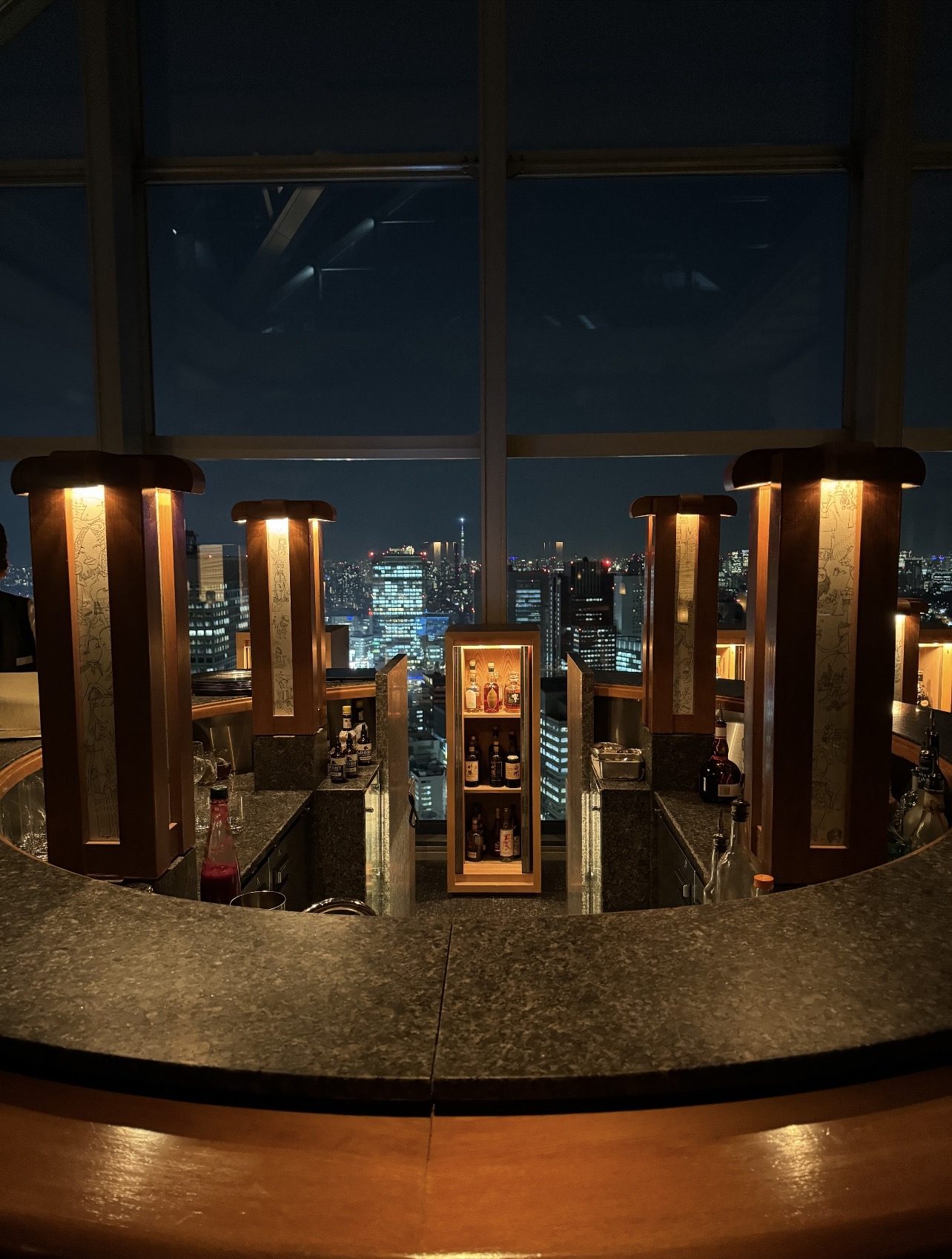
New York Bar on 52 is worth one night for the room and the band. Hotel guests skip the ¥3,300 cover charge. The bar doesn't take reservations, but as a guest you can book a waiting time in advance, or email the front desk before you arrive and get put on the list. Sets start at 19:15, it's over-20s only with ID, and shorts and sandals get turned away.
Order a whisky or a glass of wine. The cocktails cost ¥2,640, and the ones I tried were badly balanced. I sent one back, and the espresso martini that replaced it was worse.
New York Grill
New York Grill, on the same floor, has better food and better service. The Kobe sirloin is the order; ask for a window table. The buffet lunch fills up with locals, which is always a good sign.
Peak Lounge
Peak Lounge on 41 serves afternoon tea for about US$64. The thing to order is the iced royal milk tea with banana, and room service will bring it up too.
Pool, spa and gym
The spa is the best part of the hotel. Club on the Park on 45 has single-sex nude baths, dry and steam saunas, a cold plunge, and changing rooms so large they have proper lounges inside them. Its members are wealthy Tokyo locals, and it feels much more like their private club than a hotel spa. If you're a non-elite guest in a standard room, you pay about ¥5,500 to use the baths, and I think it's worth it. Membership costs millions of yen just to join, so borrowing it for an afternoon is the best deal in the building.
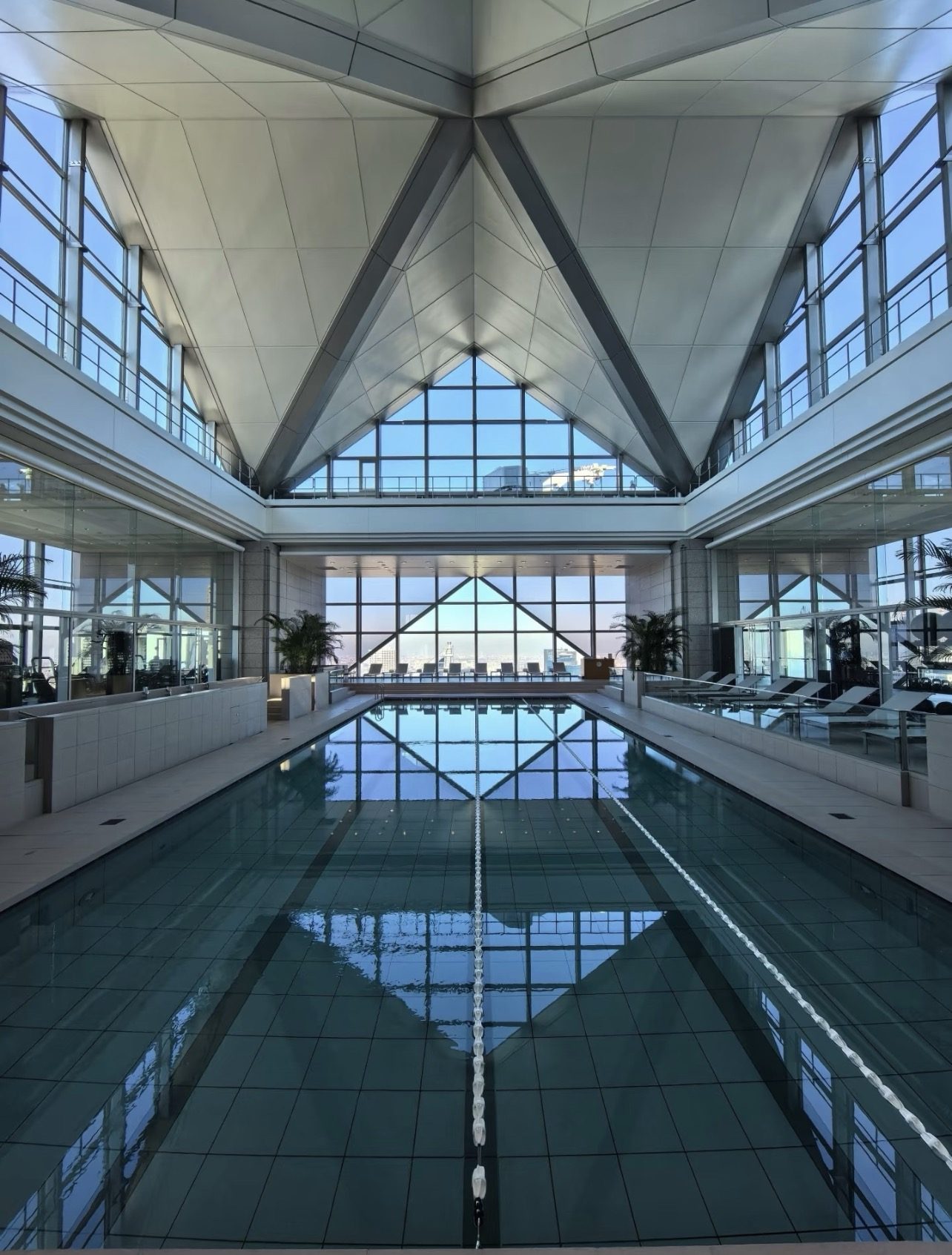
The 20-metre pool under the glass pyramid on 47 is free, unrenovated and busiest in the morning, so go at dinnertime. The gym is well equipped, with a full squat rack.
Location and sense of place
The hotel feels like international Tokyo in 1994, and there isn't much traditional Japan about it. The common areas are dim and cinematic, and the Japanese touches are quiet. If you want Japan inside the hotel, book Hoshinoya Tokyo.
The building's Lawson closes at 20:00 on weekdays and 18:30 at weekends. There's a 24-hour one at the Washington Hotel, five minutes away.
Is it worth it?
Yes, as long as it isn't your first trip to Tokyo.
If you've been before and you'll use the building, meaning the spa, Kozue, the bar and the 41st floor, it's a great stay. On a first trip, you'll spend too much of every day getting in and out of Nishi-Shinjuku.
Getting around is easier than it looks if you know the side doors. Tochomae on the Oedo line is five to eight minutes' walk, and city bus 51 to Shibuya leaves from behind the hotel. The free station shuttle has nine seats and fills up, so I took taxis.
The price is high. A Deluxe starts around ¥170,000 a night before the 15% service charge, 10% tax and the Tokyo accommodation tax; the service charge alone is about ¥25,500 a night. On points it's Category 8, and since May 2026 a standard room costs up to 75,000 points at peak.
It's No. 53 on the 2026 World's 50 Best Hotels extended list, one place behind Janu Tokyo. That feels about right to me: the public floors are great and the rooms are ordinary.
I'd book it if you know Tokyo, want a hotel that's an evening out in itself, and will spend time in the baths. It's also one for Lost in Translation fans, because the bar hasn't changed, and small children are well catered for.
I'd book something else on a first trip. The Andaz Tokyo Toranomon Hills is more central, with a bigger breakfast and a better tower view, and on points it's the better deal. With a baby, Conrad Tokyo lets under-18s stay free and sits on the Oedo line. With teenagers, I'd look elsewhere.
If you go, book a Deluxe King, a Corner if you can get one, on the Fuji side in winter. If you're upgrading, aim for the Park Deluxe Suite and skip the Park Suite.
At a glance
| Best for | Repeat Tokyo visitors, couples who will use the spa and bar, film fans, swimmers, families with small children |
| Not for | First-timers on a sightseeing trip, anyone who needs a desk, families with teenagers, buffet lovers, anyone wanting a club lounge |
| Room to book | Deluxe King (55 sq m), Corner or Premium Corner if available; Park Deluxe Suite as an upgrade |
| Room to avoid | Park Suite (85 sq m), the mini-suite |
| Skip | Cocktails at the New York Bar, the Japanese breakfast set, the shuttle |
| Don't miss | The baths at Club on the Park, dinner at Kozue, the 41st-floor walk in, the jazz on 52 |
| Rough nightly rate | From about ¥170,000 for a Deluxe, before 15% service and taxes |