Mandarin Oriental Tokyo: come to eat, not for the bathroom
Verdict. A warm, food-led hotel in a 2005 shell that shows its age; book a Skytree-side Deluxe Premier for the Pizza Bar and breakfast, and go elsewhere if you want a modern bathroom or a pool.
If food is a big part of why you travel, I'd put the Mandarin Oriental near the top of your list. The Pizza Bar, one of the city's best breakfasts and the views from nearly every window keep it in the top tier. The rooms are big and properly made, but the hotel opened in 2005, the rooms were last refreshed in 2019, and you can tell.
It takes up floors 30 to 38 of an office tower in Nihonbashi, the old merchant district east of Tokyo Station. The staff go out of their way once they know why you're there, but don't come expecting the best hardware in town.
I stayed three nights in a Deluxe Premier King on the Skytree side, on the 36th floor.
Arrival
The arrival is well staffed and slightly tiring. There's a desk at street level on Chuo-dori, where the bell staff take your bags and ride up with you to the 38th-floor sky lobby. You check in up there, then take a different bank of lifts back down to your room.
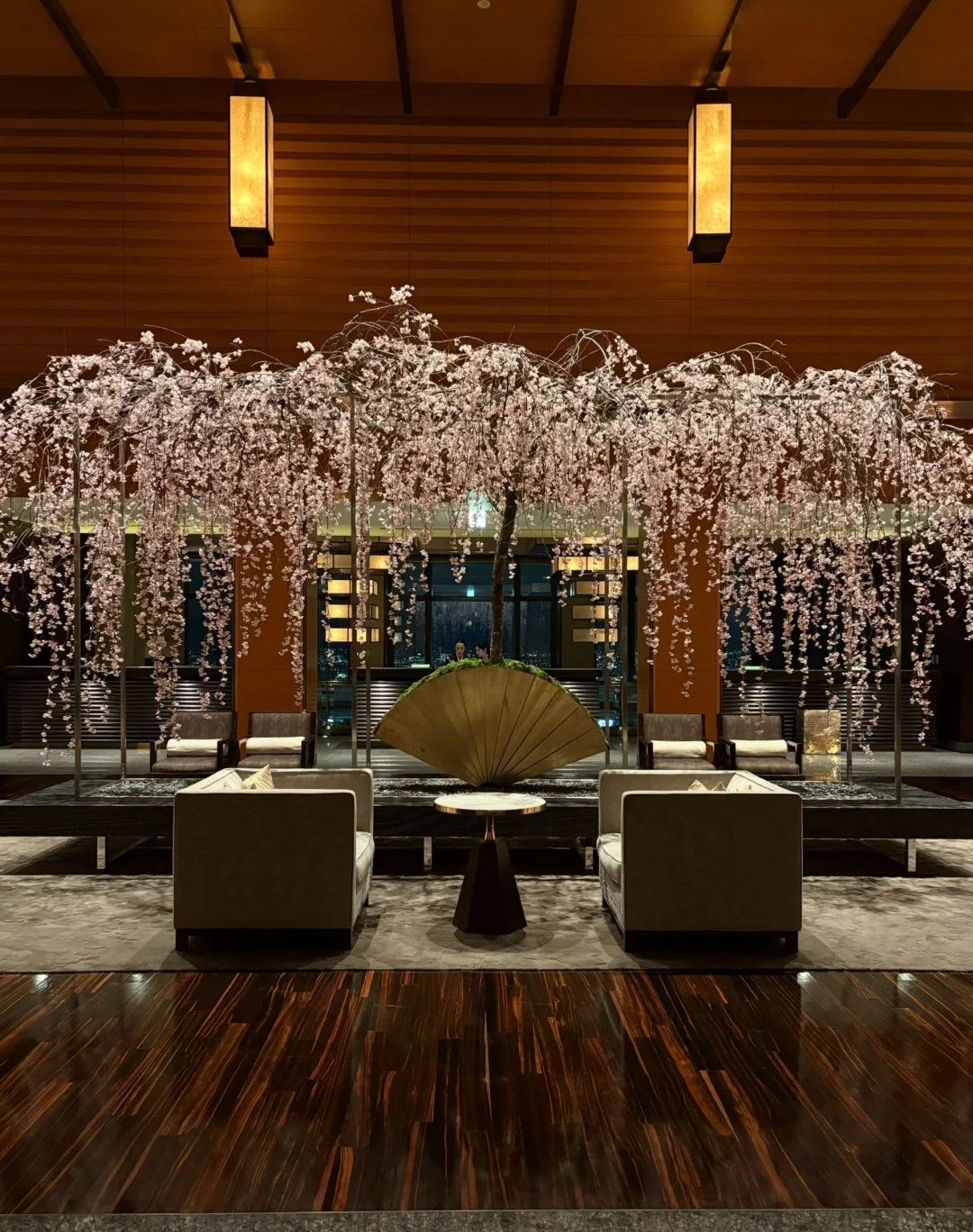
That double lift is the hotel's most annoying habit, and you never escape it. The building's security requires it, so every trip out to dinner and back means two lifts and a walk across the lobby. It's the only hotel I know where going to bed involves a connection.
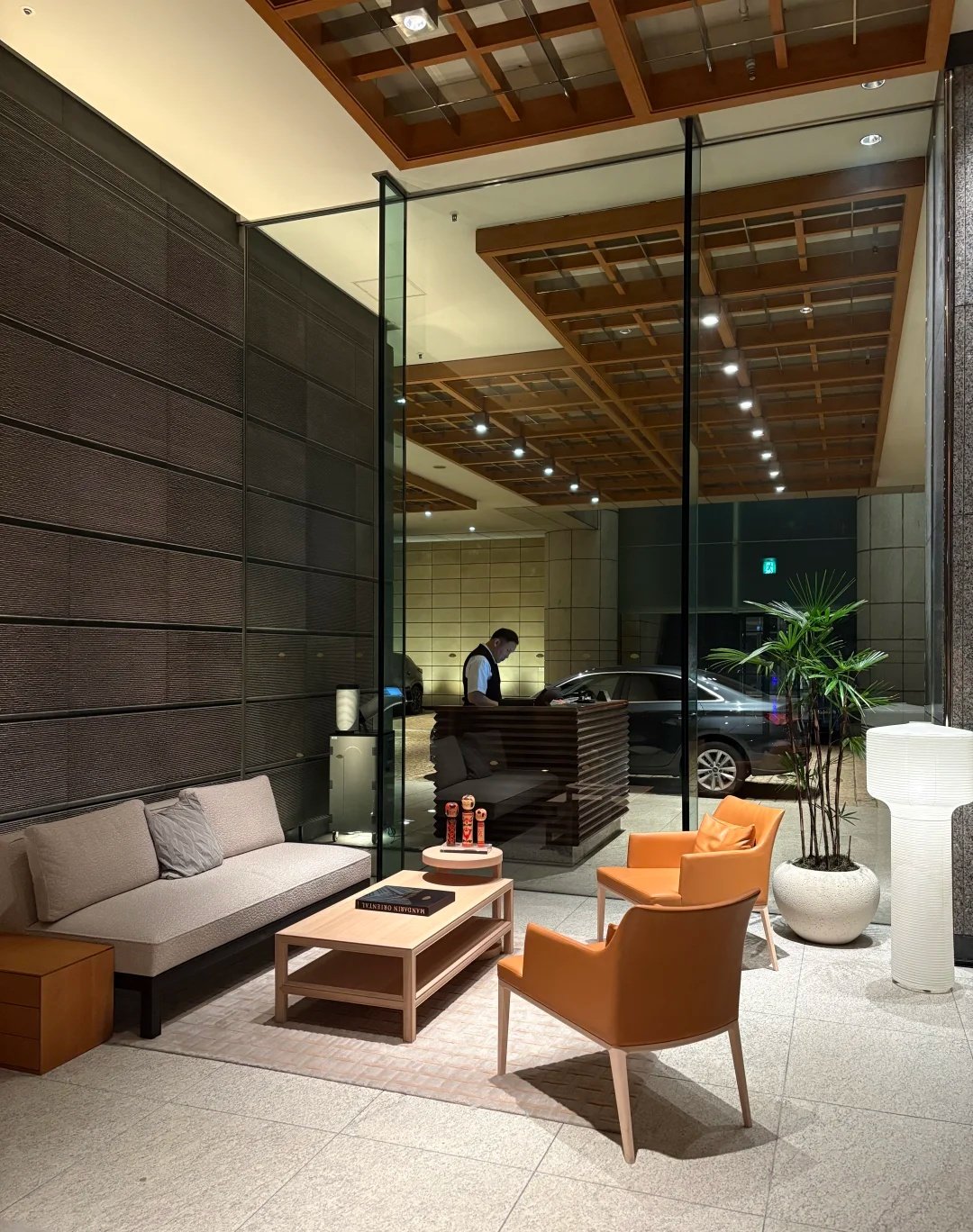
From the street, it's easy to walk straight past, because the hotel is just a band of floors in an office tower with no forecourt. I'd come by metro. The basement connects to Mitsukoshimae on the Ginza and Hanzomon lines, exits A7 and A8, and to Shin-Nihombashi on the JR Sobu line, which runs through to Narita. Tokyo Station's Yaesu side is about eight minutes on foot.
I arrived well before three and the room was ready, which is usual here. On busy afternoons the desk is slow, and the queue isn't always served in order. The English at the desk is excellent, and guest relations speaks Mandarin and Cantonese.
Tell them why you're coming. I mentioned an anniversary when I booked, and there was a cake in the room. This hotel saves its best moments for guests who give it a reason, or who are coming back.
The room
The rooms are large, quiet and very clean, and the bones are clearly from 2005. The entry size is 50 square metres, which is very large for Tokyo; other hotels here would sell you that as a junior suite. The materials are real, too: wood floors, grey granite in the bathroom, embroidered headboards and Reiko Sudo textiles. That holds up better than the veneer in some newer towers.
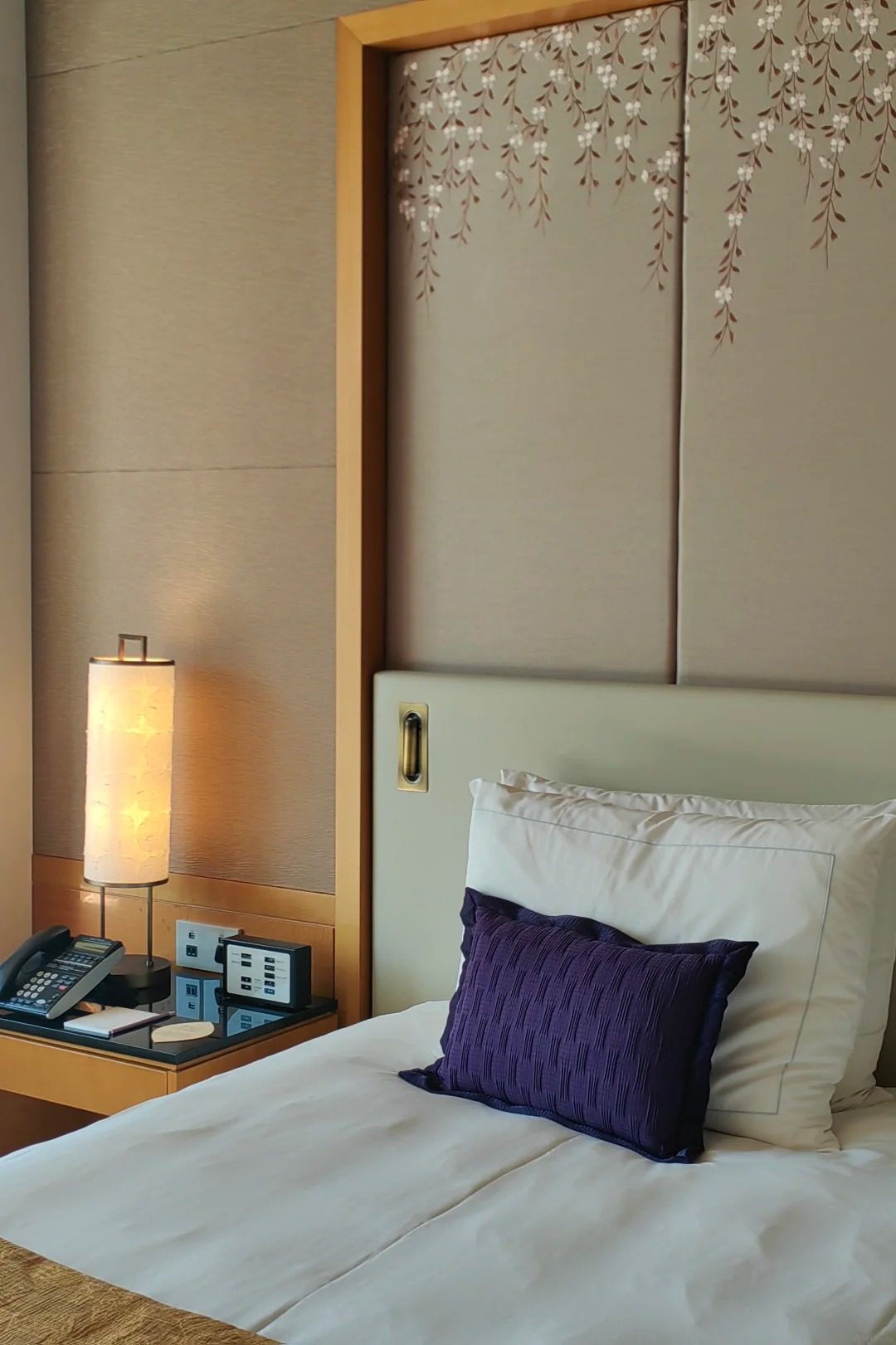
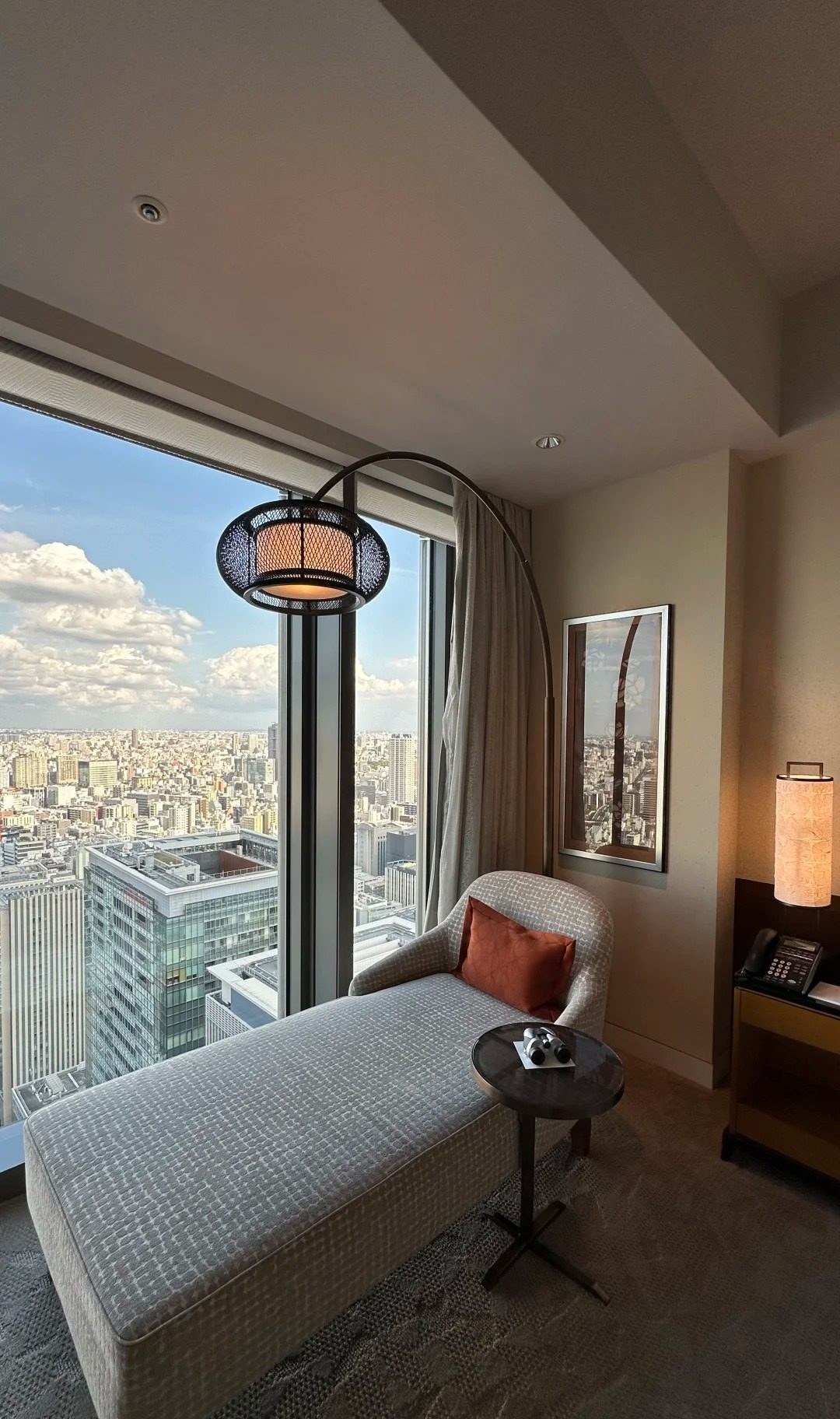
The layout has one clever feature. The walk-in closet has a valet pass-through box, so laundry, shoes and ice come and go without anyone knocking. There are binoculars by the window, a capsule coffee machine and the hotel's own MO x LUPICIA tea, which is worth drinking.
Two other small things. The king bed is a Japanese king, which is smaller than an American one. And turndown leaves an essential-oil dish by the bed; if scent keeps you awake, ask them to skip it.
Bathroom
The bathroom is where the age shows. There's one basin, even in the twin rooms. In the Deluxe, the bathroom has no window and feels dark, and the shower has no door or glass, so the water spreads across the floor. The tub is a rounded shape that's awkward for two. You get Natura Bissé in large refill bottles; the Bottega Veneta is kept for the suites.
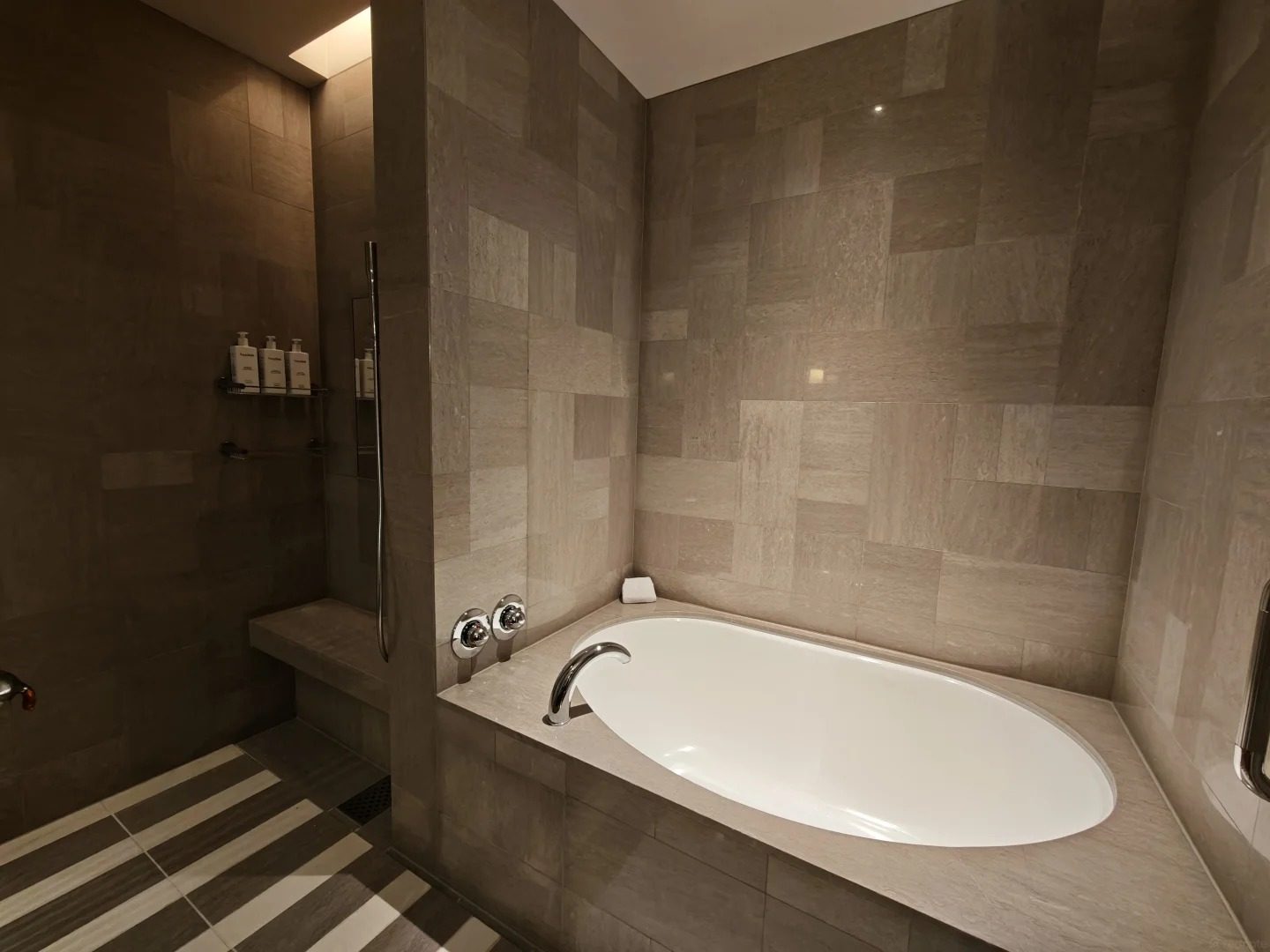
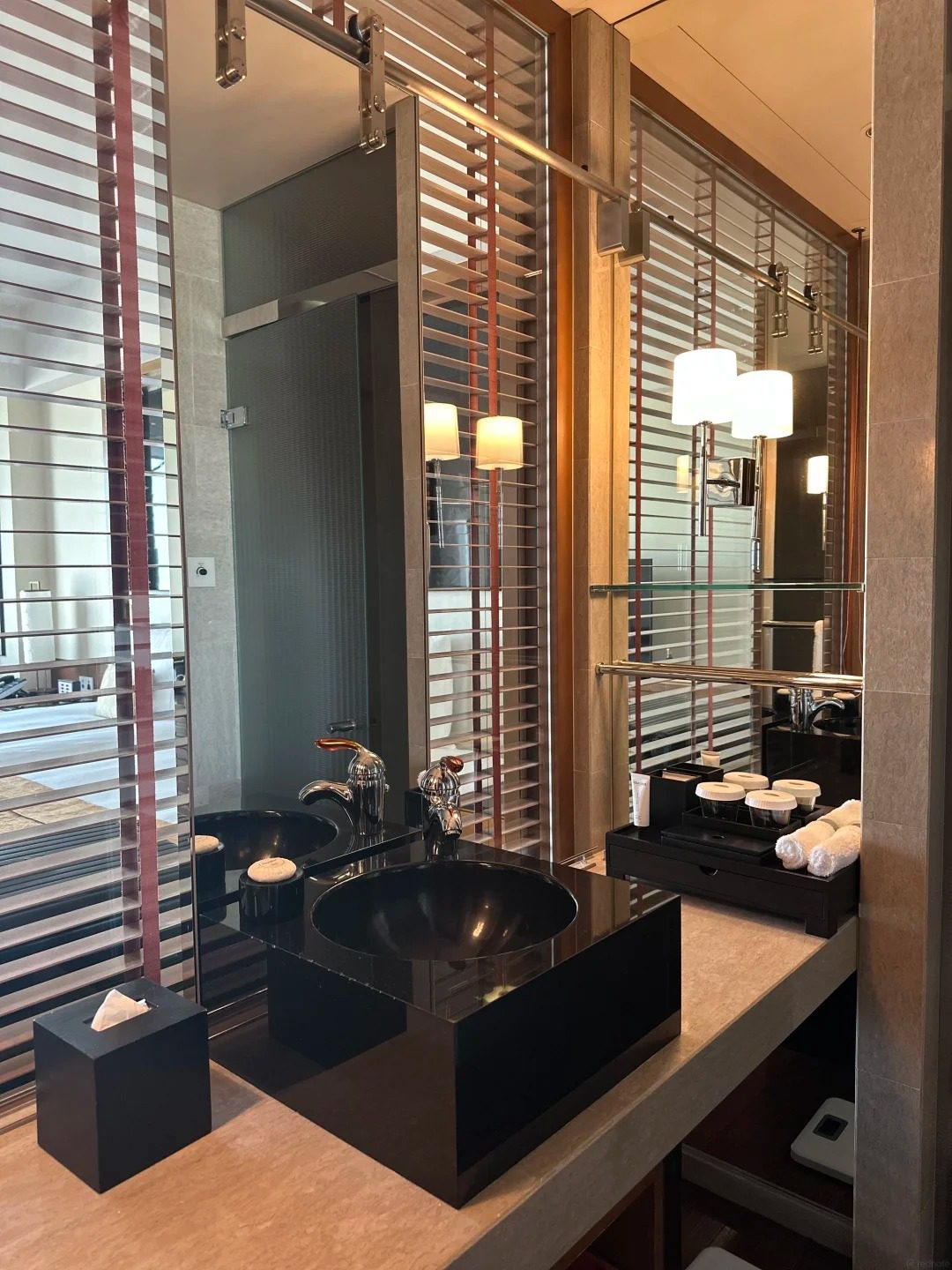
The hotel says it's finalising plans to "transform everything", space by space. There's no date yet, so for now this is the bathroom you'll get.
Which side to book
The side matters more than the category. The Skytree side looks north-east over low-rise old Tokyo towards Asakusa, with the Skytree and a sliver of Tokyo Bay. There's nothing tall in the way and no direct sun in your eyes. The Fuji side has Fuji on clear winter mornings and the trains running into Tokyo Station, but towers cut into it. One side of the building looks straight at neighbouring offices, and that's the room to avoid, unless you fancy using the binoculars to read somebody's spreadsheet.
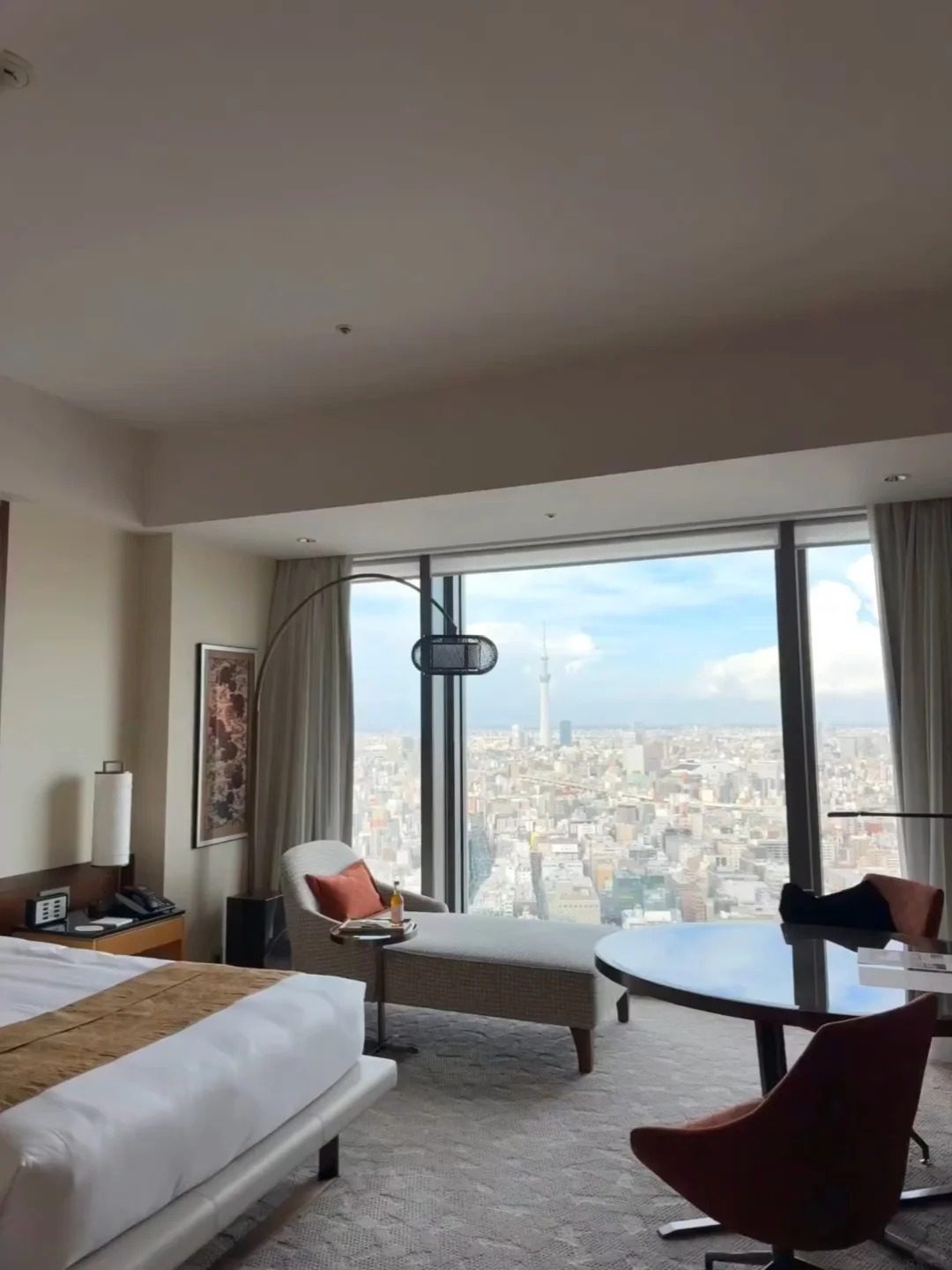
The Deluxe Premier is the same 50-square-metre room as the Deluxe, with a guaranteed better outlook, for about US$31 more a night. I think it's the easiest upgrade in Tokyo to justify. Ask for a room away from the lifts, too.
Other rooms and suites
I wouldn't pay for a Mandarin Corner Suite. They're on floors 30 to 32, the lowest guest floors, where the view is easier to block. The Mandarin Grand, at 60 square metres, is the first real step up in space, but its bathroom is open-plan with no door, so only book it if you're comfortable with that.
Service
The people are outstanding, even if the system around them isn't always joined up. When it works, it works across departments. If your partner falls ill and dinner gets cancelled, warm ginger-lemon water turns up from housekeeping and the restaurant waives the fee.
If you collect things, say so. The hotel's folding fan is made by Ibasen, an Edo-era fan maker a few streets away, and staff will happily give you one.
The WhatsApp and app chat are fast and properly useful. Room service turned up exactly at the time I asked for.
Without a reason or a history, you get a more passive version, polite and correct and nothing more. The weak link is the concierge. It's slow to answer and gives up quickly on Tokyo's hardest tables. Ask for a top omakase counter, and the most likely reply is a polite note telling you to book it online yourself. So my advice is to do exactly that: book the top counters yourself on omakase.in or TableCheck, and use the desk for second-tier places and logistics. For impossible tables, the Imperial and the Peninsula try much harder.
Breakfast
This is a breakfast I'd actually pay for, and I don't say that often in Tokyo. It's served at K'shiki on 38, facing Fuji, from about 7:00 to 10:30. You get the buffet plus one à la carte main per person, which feels a little stingy at the price.
The pastry is the reason to go. The croissants are among the best I've had in any hotel. The dim sum comes from the Cantonese kitchen, and the shumai are worth a second plate. The Japanese set of grilled fish, rice and miso is plain and properly done, if a little small. The eggs are from Yamanashi, with deep-orange yolks, but my Benedict was dry, so I'd order the ramen or one of the simpler mains instead. There's also a long list of plant milks, which is rare in Japan.
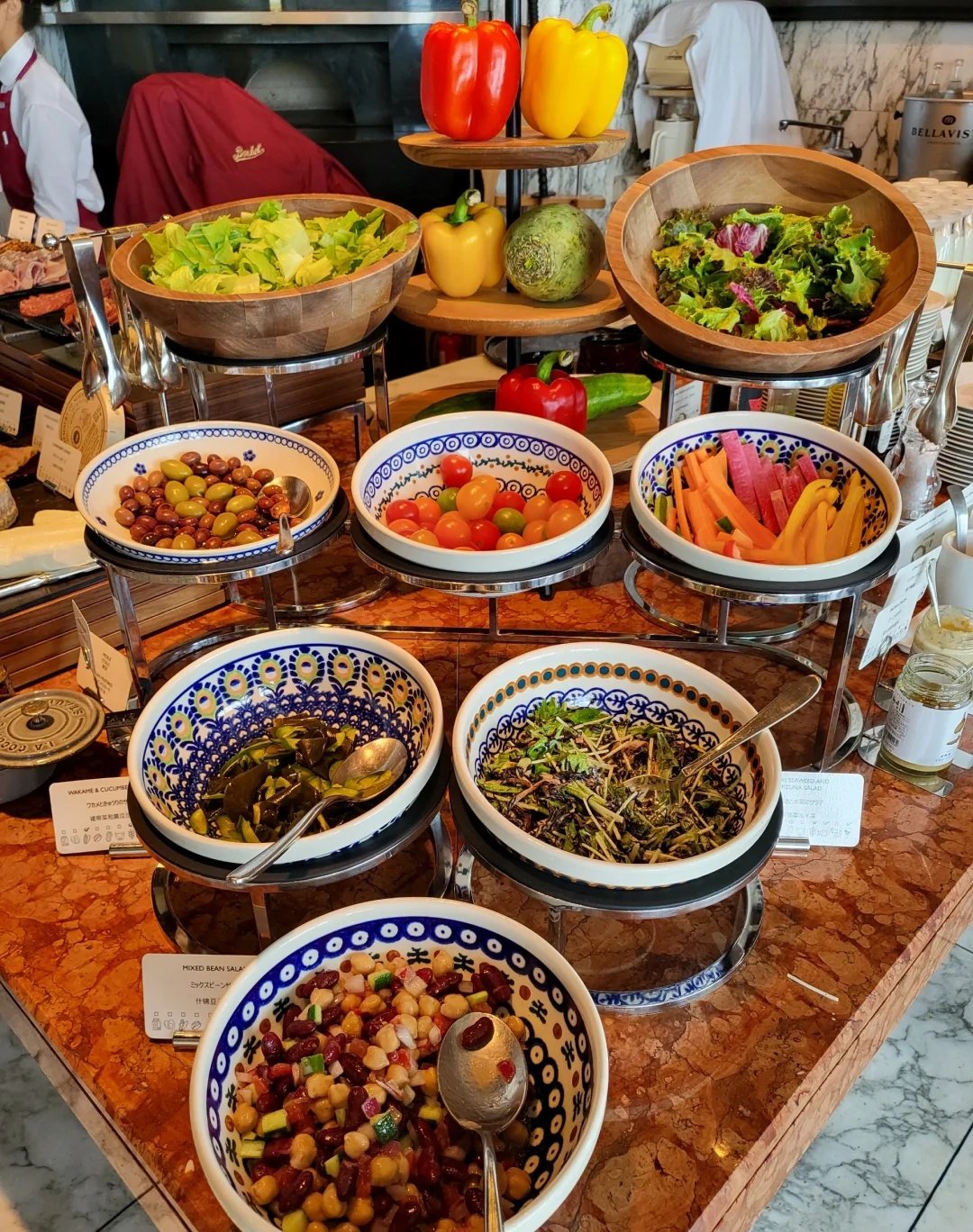
The problem is the crowds. After nine the room fills up and the window tables go. Go before eight, or order in-room, where the Japanese set comes from the hotel's Japanese kitchen.
At about ¥8,855 a head, it's expensive. If you're not going to eat properly, skip it; the Mitsukoshi and COREDO food halls are steps from the door.
Restaurants and bars
Pizza Bar
Book the Pizza Bar when you book the room. The Pizza Bar on 38th is the reason a lot of people stay here, and staying is the realistic way in. It ranks as the best pizzeria in Asia-Pacific on the 50 Top Pizza list. There are eight seats at a counter inside K'shiki, one start time, and an omakase of pizzas, each cut into eight. Eight seats and eight slices might be the fairest thing in Tokyo dining.
Getting in is the hard part. Outsiders wait one to two months, and the hotel says its waiting list runs to about 10,000 people. Each seating holds back about four seats for hotel guests, so I booked it when I booked the room and had no trouble. Once it's confirmed, it can't be changed or cancelled, and it doesn't take dietary restrictions.
K'shiki
K'shiki at dinner is the hotel's best value. The set menu is far better than an all-day restaurant usually manages, and I got a window seat on the same day.
Other restaurants
Sense, the Cantonese restaurant, is uneven, and the view outshines the food; the weekday lunch is the way to try it. Sushi Shin by Miyakawa is the Tokyo branch of Sapporo's Sushi Miyakawa, at a hinoki counter facing the Skytree. Signature does French, and Tapas Molecular Bar is an eight-seat, two-hour show. Neither is why I'd choose this hotel.
Mandarin Bar
The Mandarin Bar is good if you get the right seat. Ask for the sofas inside the water feature, which I think are the best seats in the building. After ten it's packed and loud, more izakaya than hotel bar.
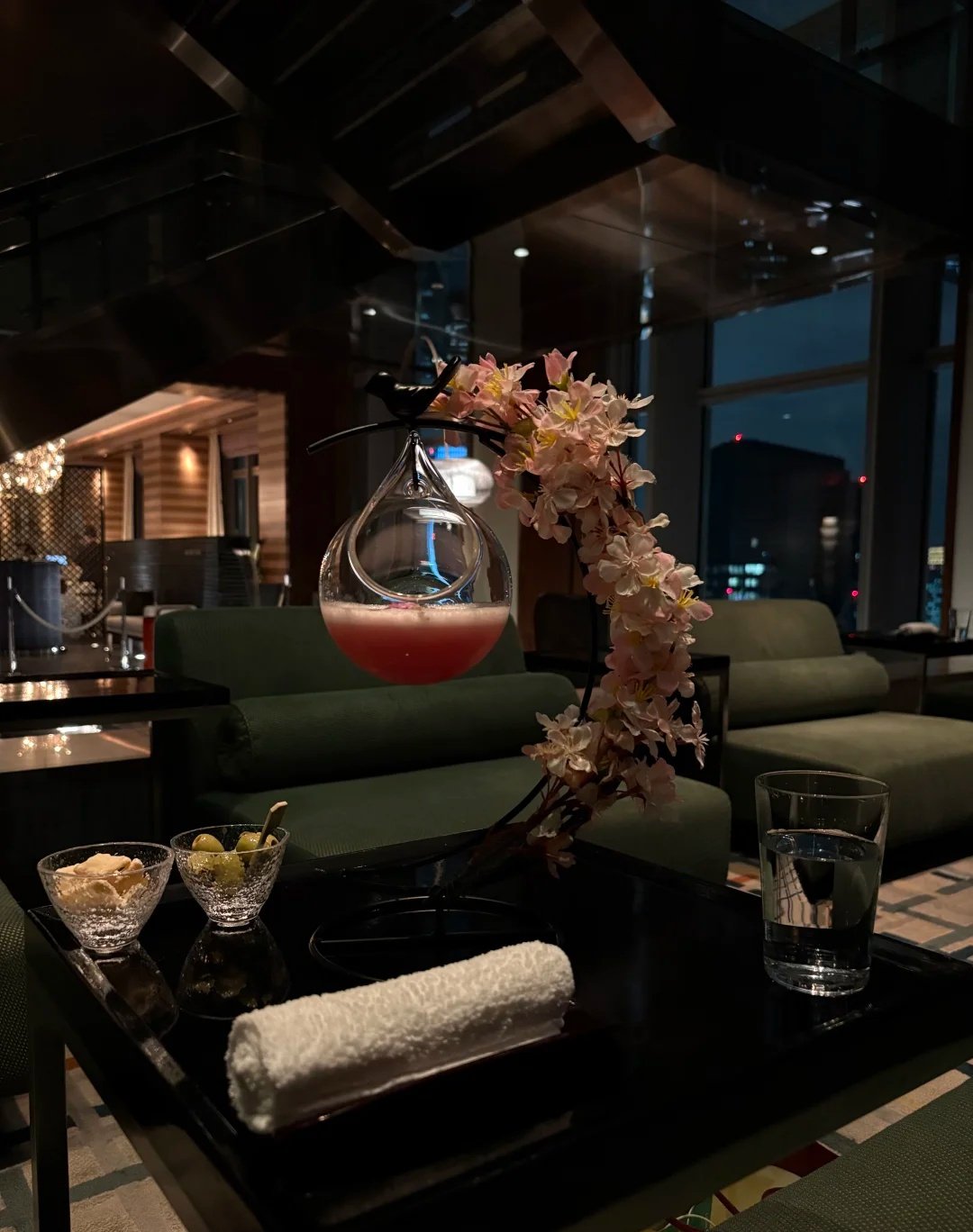
Oriental Lounge
Afternoon tea in the Oriental Lounge is often full, even for guests. While you're up on 38, use the washrooms off the lobby; they have one of the best city views in the hotel.
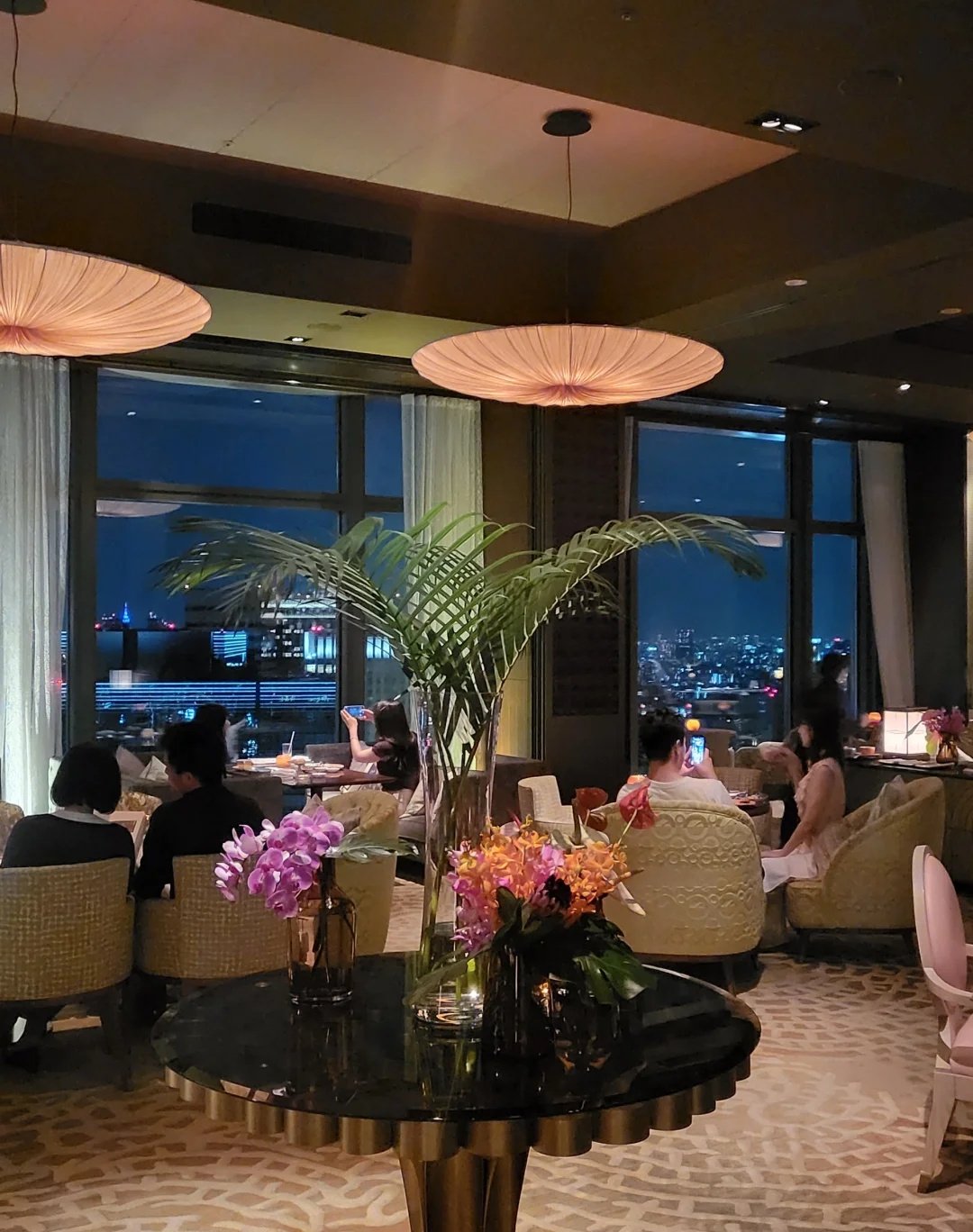
Gourmet Shop
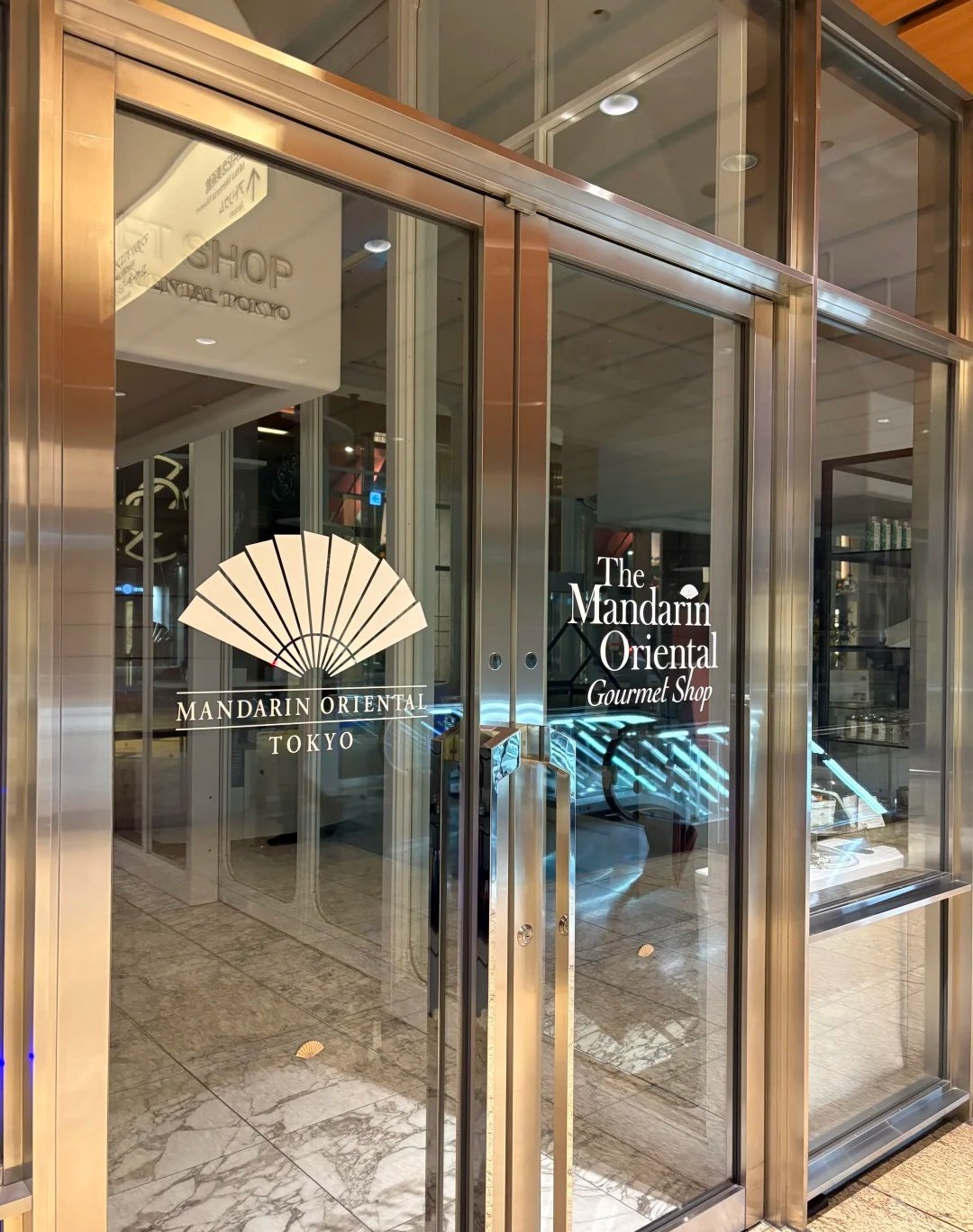
Downstairs, the Gourmet Shop's KUMO cake sells out, so go in the morning. There's no club lounge.
Spa and gym
There's no pool, and the spa is less use than its Forbes stars suggest. The heat-and-water area on 37 is good: separate men's and women's sides, nude Japanese-style bathing, a chest-deep jet pool, sauna and steam. The women's side looks towards the Skytree, the men's towards Fuji.
But room guests only get it free in an early-morning window that ends around nine. After that, it's for treatment and suite guests, who get access all day. If jet lag has you up early, that's the time to use it.
The minimum age for the spa and the gym is 16, which rules out younger teenagers. The 24-hour gym on 38 has a great view and very little equipment: one bench, dumbbells up to 22kg and the Skytree out of the window.
Location and sense of place
Nihonbashi is polished, historic and quiet at night and at weekends. Mitsukoshi, the Bank of Japan and Sembikiya's head store are on the doorstep. On a Sunday evening, the liveliest thing on the block is probably the Bank of Japan, and it's closed. Shinjuku, Shibuya and Aoyama are all half an hour away. It's a good base if you use the metro, but don't expect to step out of the door into bars.
For sense of place, it beats most international towers. The fan, the stencils, the washi lanterns and the lacquer yukata boxes are real Japanese craft. It's still a 2005 Mandarin Oriental at heart, though. Aman Tokyo and Hoshinoya feel more like Japan; Four Seasons Otemachi and the Ritz-Carlton feel less.
Is it worth it?
Yes, if you're coming to eat and you book the Skytree side. If it's the hardware you're paying for, I'd look elsewhere, because until the rooms and bathrooms are rebuilt there are better-built rooms in Tokyo for the same money.
The hotel holds one Michelin Key and has been a Forbes Five-Star hotel and spa for 12 years running. In 2026, a Deluxe ran from about US$783 a night in late August to about US$1,450 in November foliage season. Add about 27% for service, consumption tax and city tax, which turns that late-August US$783 into about US$993. The "One More Night" offer gives you the third night free with breakfast, and that suits this hotel, because it gets better the longer you stay.
I'd book it if the Pizza Bar, breakfast and a skyline view matter more to you than the bathroom, or for an anniversary or birthday, which it handles exceptionally well. It also suits you if you already know Tokyo, like the old east side and get around by metro and train.
I'd book something else if you want modern hardware. The Bulgari has better rooms, and Four Seasons Otemachi has the newer building, a pool and the same quiet business district. I wouldn't split a trip between Four Seasons Otemachi and here, because you won't see a different Tokyo. If you need a pool, the Okura is newer and bigger. If you want a concierge who'll fight for tables and Ginza on the doorstep, the Peninsula is better.
If you go, book the Deluxe Premier King on the Skytree side, on a high floor, away from the lifts. If you love a long soak, a Premier Suite gets you all-day spa access, which changes this hotel more than any extra square metres.
At a glance
| Best for | Food-led trips, couples marking an occasion, repeat visitors who like old Tokyo, metro and train travellers, Mandarin and Cantonese speakers |
| Not for | Lap swimmers, families with teens under 16, anyone who wants a modern bathroom, first-timers who want Shibuya energy outside the door |
| Room to book | Deluxe Premier King, Skytree side, high floor, away from the lifts; a Premier Suite if the spa matters |
| Room to avoid | Any room facing the neighbouring office towers; the Mandarin Corner Suites on the low floors |
| Skip | Breakfast after nine, the eggs Benedict, dinner at Sense, the concierge for trophy tables, the bar after ten |
| Don't miss | The Pizza Bar on 38th booked with the room; the croissants; the water-feature sofas in the Mandarin Bar; the spa before nine |
| Rough nightly rate | Deluxe from about US$780 (late summer) to US$1,450 (November) in 2026, plus about 27% tax and service |