Four Seasons Hotel Tokyo at Marunouchi: small, low and superbly run
Verdict. The best-staffed small hotel in Tokyo and the best one for train travel, with no view, no pool and a high price; book a Ginza-side room and let the station be your lobby.
If your trip runs on trains, I don't know a hotel in Tokyo that makes life easier than this one. It's also the best-run small hotel I've stayed at in the city. The catch is that you pay top Tokyo prices for a low room looking at an office tower, and there's no pool.
It's the small Four Seasons in town: 57 rooms on the lower floors of an office building, right beside the Tokyo Station tracks. It reopened in April 2026 after André Fu redesigned every room and the lobby. The service is the best I've had at this size in Tokyo. Everything else, from the view to the spa, is fairly ordinary for what it costs.
Arrival
Come by train and let them meet you on the platform. Give them your Shinkansen car number, and someone will be waiting when the doors open. They take your bags and walk you out of Tokyo Station, which is the most confusing station I know, and it costs nothing. I'd say it's the best thing the hotel does.
Book it for departure as well. They walk you back to the right platform with your luggage, and on a Kyoto or Kanazawa leg that's worth more than any welcome amenity.
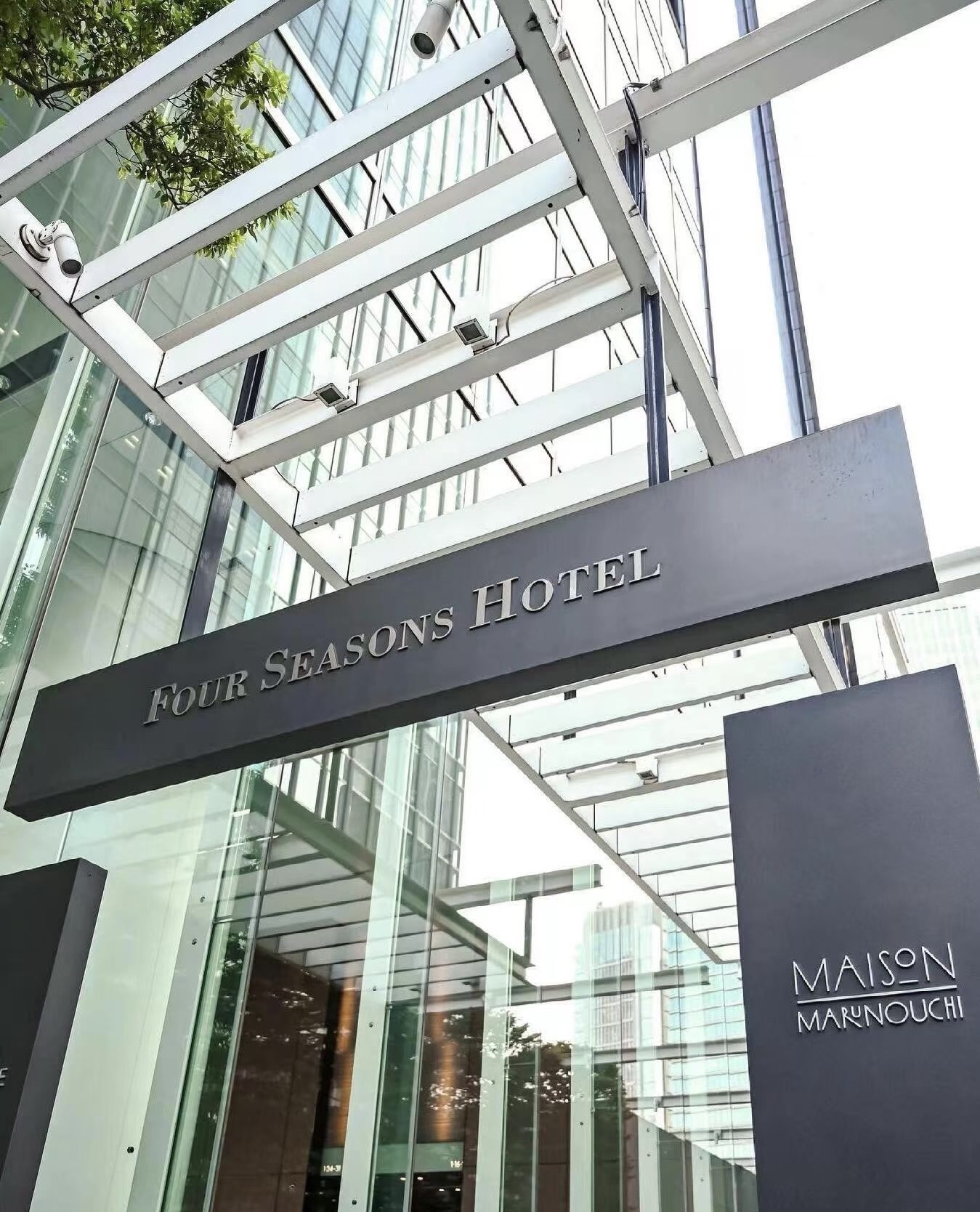
The name is a little misleading. The address says Marunouchi, but the hotel is on the Yaesu and Kyobashi side, south-east of the station by the tracks. The red-brick side that faces the palace is across the station. So "Marunouchi" here is a bit like an estate agent saying "Chelsea borders". The Yaesu South Exit is three or four minutes on foot. Kyobashi on the Ginza Line is just as close, and that's the station I used for getting around town.
The lobby is right down at street level, and it's lovely. The redesign turned what used to be a plain counter into a small Japanese tea lounge with washi panels, backlit shoji and a view of a dry rock garden. It feels more like arriving at a private house than at a hotel.
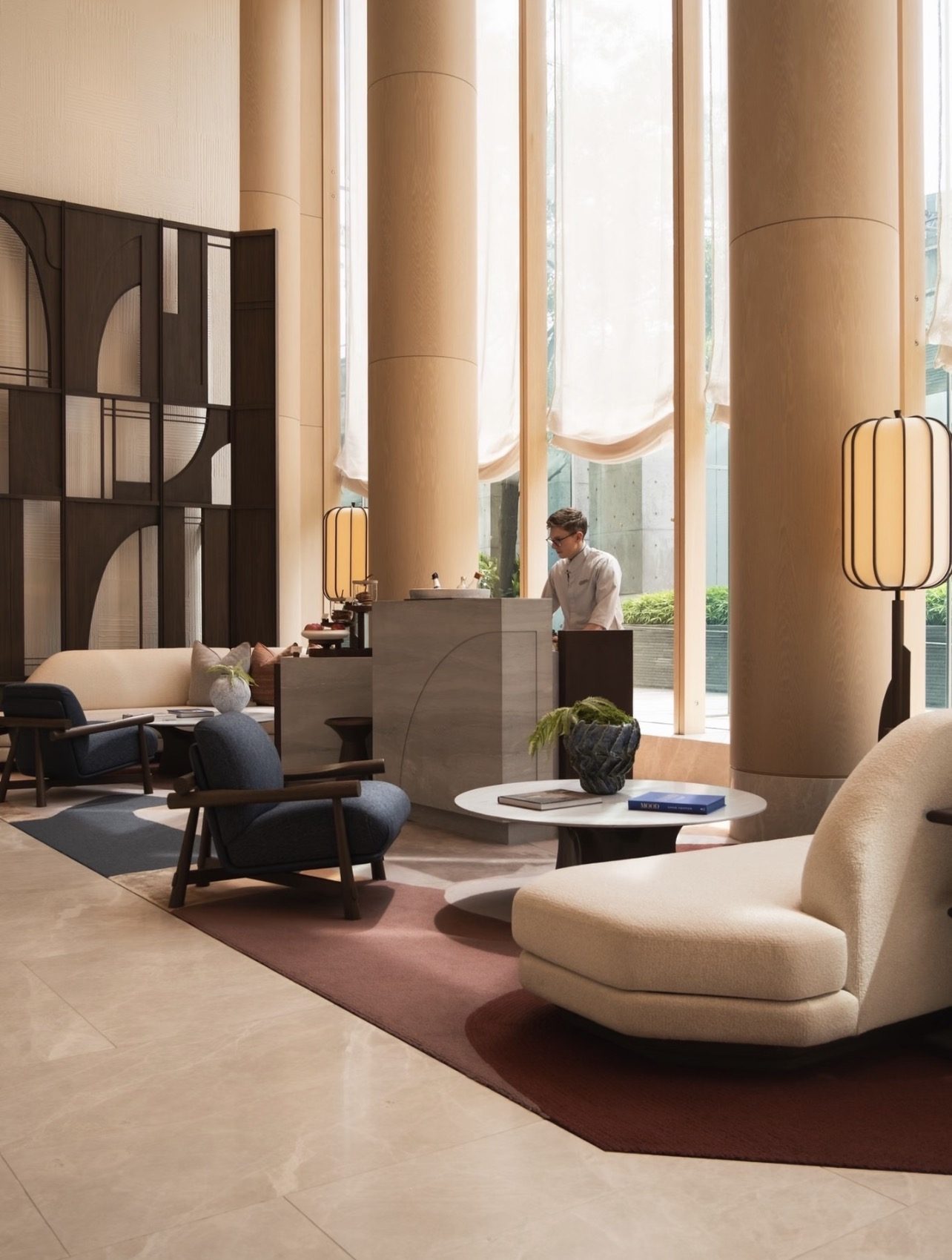
There's no desk check-in at all. I was handed a glass of Champagne, walked upstairs and did the paperwork in the room. I much prefer that to queuing at a counter, though if you like the reassurance of a front desk it can feel a bit odd.
Check-in is 15:00 and, even with only 57 rooms, your room won't always be ready on the dot. If you're coming off an early train, tell them in advance. When something does slip here, the fix tends to be generous.
Which side to book
The new rooms are good, but the decision that matters is which way you face, and the room names now tell you. Eki rooms ("eki" means station) look straight down on the Shinkansen and JR platforms. If you love trains, it's a great window. But the triple glazing doesn't fully block the noise, and the Shinkansen runs until around midnight and starts again early. If you sleep lightly, I wouldn't book one.
Ginza rooms face south, away from the platforms. I stayed in a Ginza Room King, 52 square metres, and that's the room I'd book again.
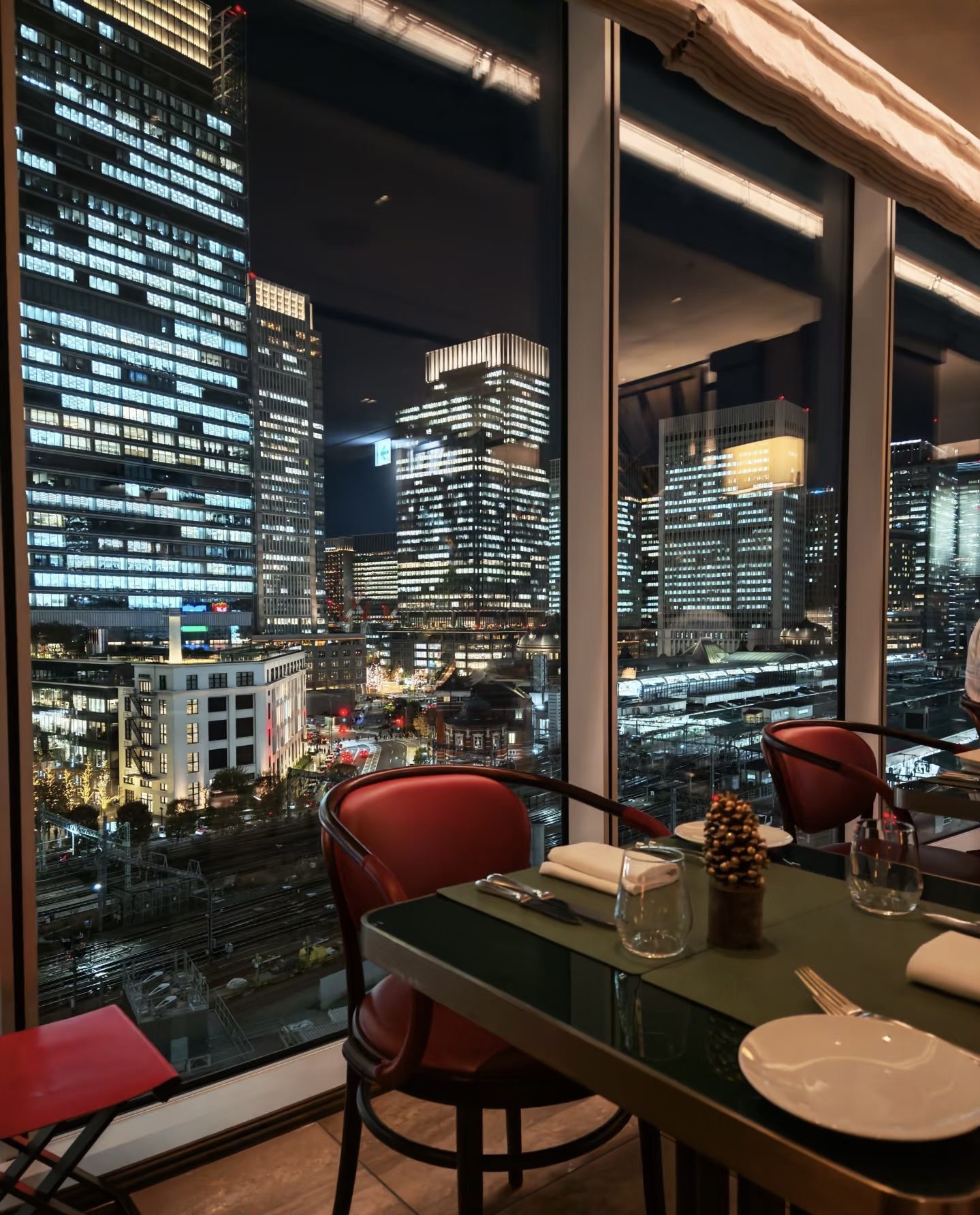
What the money doesn't buy is a view. Guest rooms are on floors three to six, so you look at other buildings. At night you'll draw the curtains for privacy, so the office tower opposite doesn't get a free look at you in your pyjamas. If you want Tokyo spread out below your bed, this is the wrong Four Seasons.
The Yaesu side is also being redeveloped, so there's construction close to the north and east sides of the building.
The room
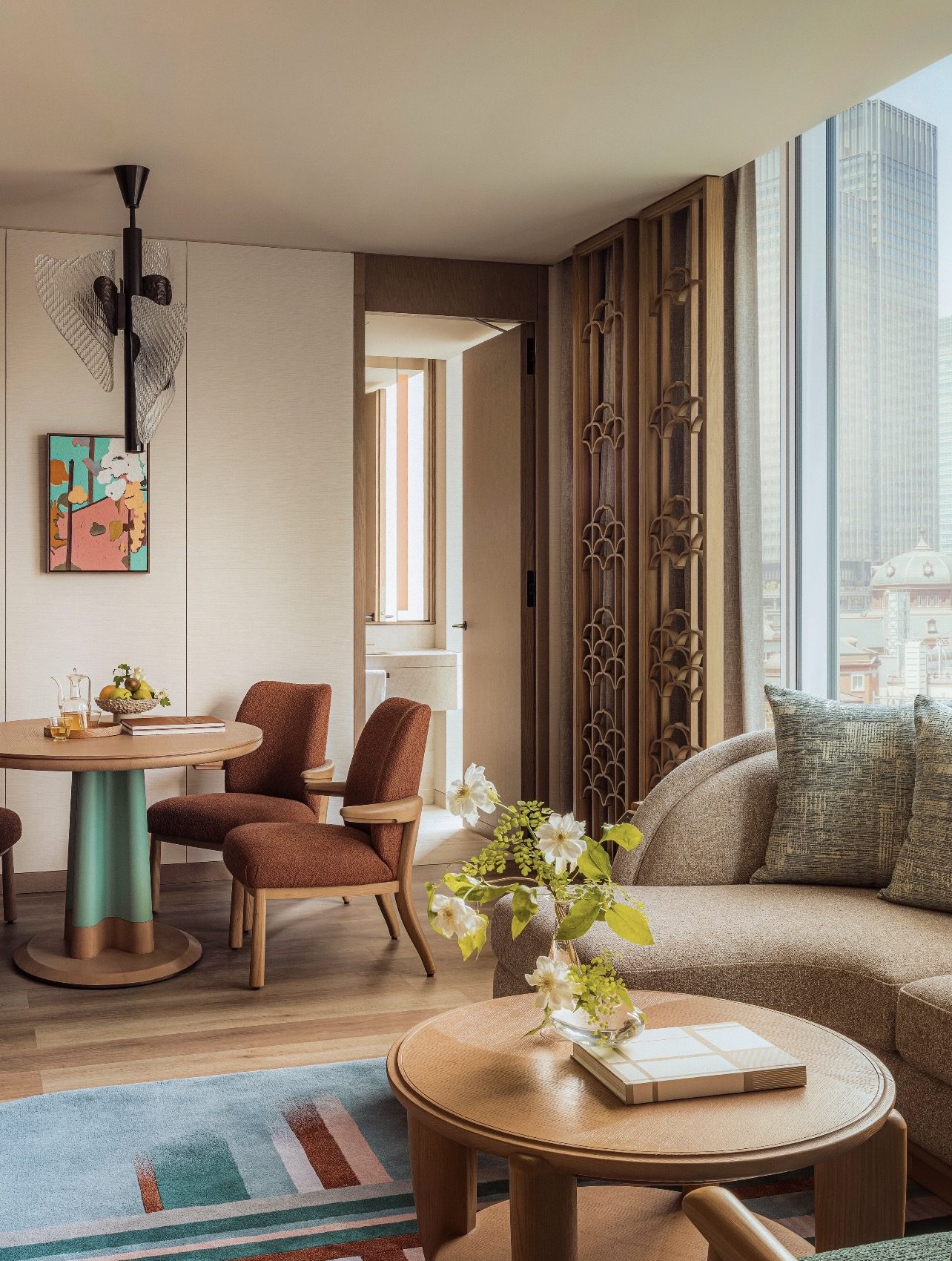
The look is teal and dusty pink, with hardwood joinery, sakura marquetry and curved glass around the shower. There's a deep tub and a rain shower. Everything was spotless, as it should be at six months old, and the layout and storage are well thought out. The old rooms were still listing 3D TVs and Blu-ray players right up to the end, so the renovation was overdue.
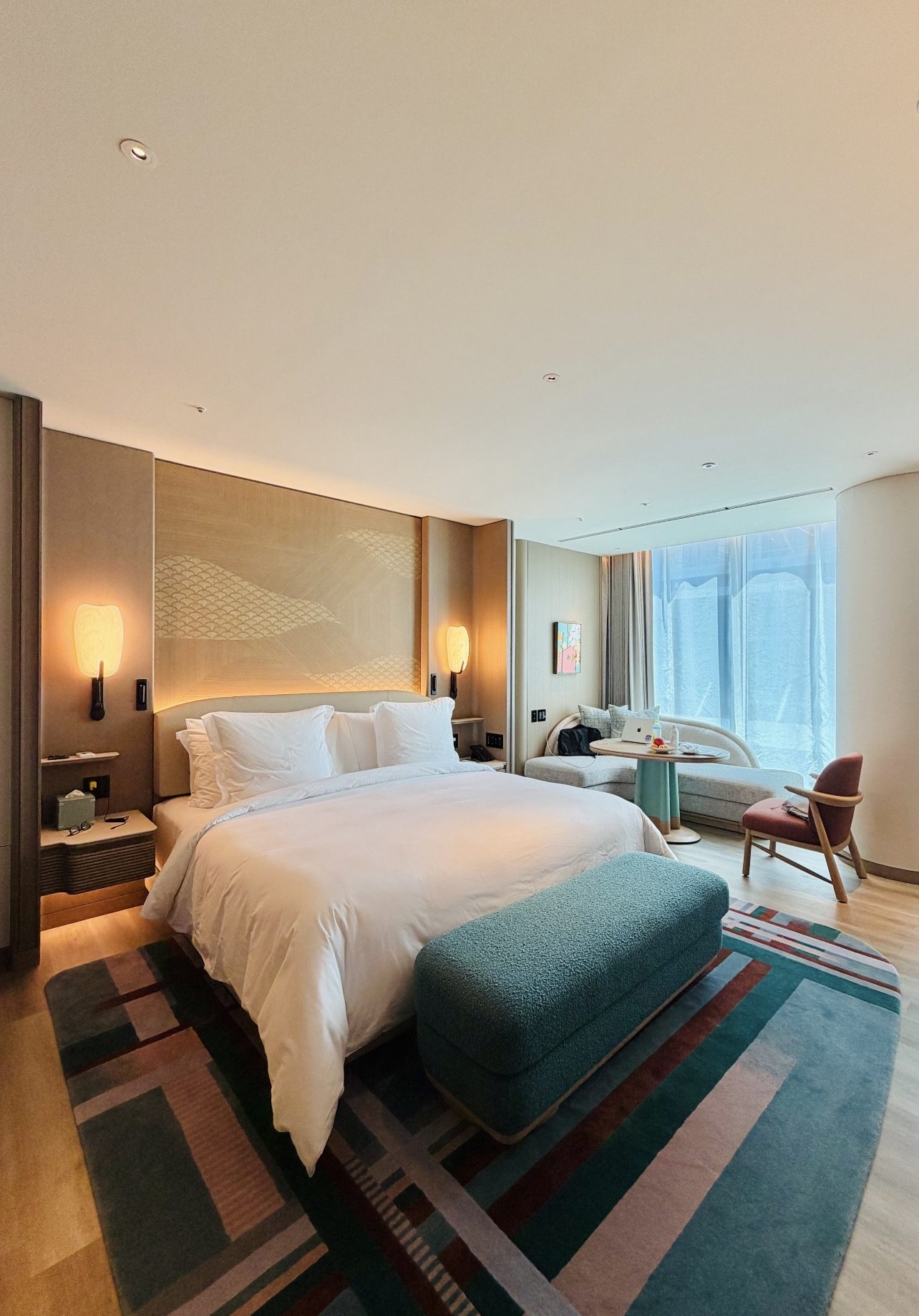
The small touches are right: seasonal fruit and wagashi on arrival, Japanese teas in the minibar cabinet, and pyjamas laid out at turndown, in child sizes too. The bed is the standard Four Seasons bed, still one of the best hotel beds there is.
Three things to check when you arrive. Run the shower and make sure the temperature holds, because new fit-outs often get the valves wrong. The doors shut with a bang you can hear across the room. And the windows don't open.
Other rooms and suites
The entry Marunouchi Room and the Eki Room are 44 square metres. That's generous for Tokyo, but smaller than the base rooms at the Peninsula or the Mandarin Oriental. The Four Seasons Room and the Corner Ginza with two queens are both 65 square metres, and the Corner Ginza is the family room. I wouldn't pay up for a suite here; the extra money mostly buys a bigger sitting area.
Service
The service is the best thing about this hotel, and it's outstanding. With 57 rooms and full Four Seasons staffing, the team can actually get to know you.
They were using my name from the first morning and remembered how I took breakfast. Taxis were waiting when I came down, rather than being called once I got there. In summer a bellman hands out fans at the door. Four Seasons has no loyalty tiers, so the handwritten cards and fruit turn up whatever rate you booked.
It goes well past politeness. This is a team that will buy nappies for a guest's baby without being asked, or track down a replacement golf driver after an airline breaks one. That kind of initiative is rare even at this level, and it's why the hotel is so good with families.
English is never a problem, and the front desk also has Chinese speakers. Requests go through the Four Seasons chat app, which works but isn't always quick. If it's urgent, I'd just ring down.
Breakfast
Breakfast is very good and very small, and I'd only have it if it's in your rate. It's served in Maison Marunouchi on the seventh floor, from 07:00 to 10:00, with 43 seats for 57 rooms, so there's never a queue.
The buffet is a short continental spread, and the hot dishes and a Japanese set of grilled fish, miso and pickles are ordered from the menu. The details are lovely: house yoghurt, yuzu jam, proper croissants and an apple compote served inside a carved apple.
The problem is the price. The buffet is ¥8,000 a head, ¥4,000 for children aged 5 to 12, and the hot mains are charged on top. So ¥8,000 gets you the pastries, and the eggs are extra. For a spread this small, I think that's too much.
If breakfast is included, have it, and ask for a seat at the window. The bistro overlooks the tracks, so you get the train view over coffee and still sleep on the quiet side, which I think is the best way to use this hotel. Otherwise, walk to the food halls under Tokyo Station or a bakery in Marunouchi or Ginza, all a few minutes away.
Restaurants and bars
There's one famous restaurant in transition here, and not much else.
SÉZANNE
The hotel's restaurant is better known than the hotel. SÉZANNE holds three Michelin stars, was No. 1 on Asia's 50 Best Restaurants in 2024 and No. 7 in the World's 50 Best in 2025.
Don't book it as if nothing has changed, though. The founding chef, Daniel Calvert, has gone, and Stephen Lancaster took over the kitchen in May 2026. On the Asia's list, the restaurant has gone from first in 2024 to fourth in 2025 to sixteenth in 2026. It's still a reason to come, and if a table matters to your trip, book it when you book the room.
Maison Marunouchi
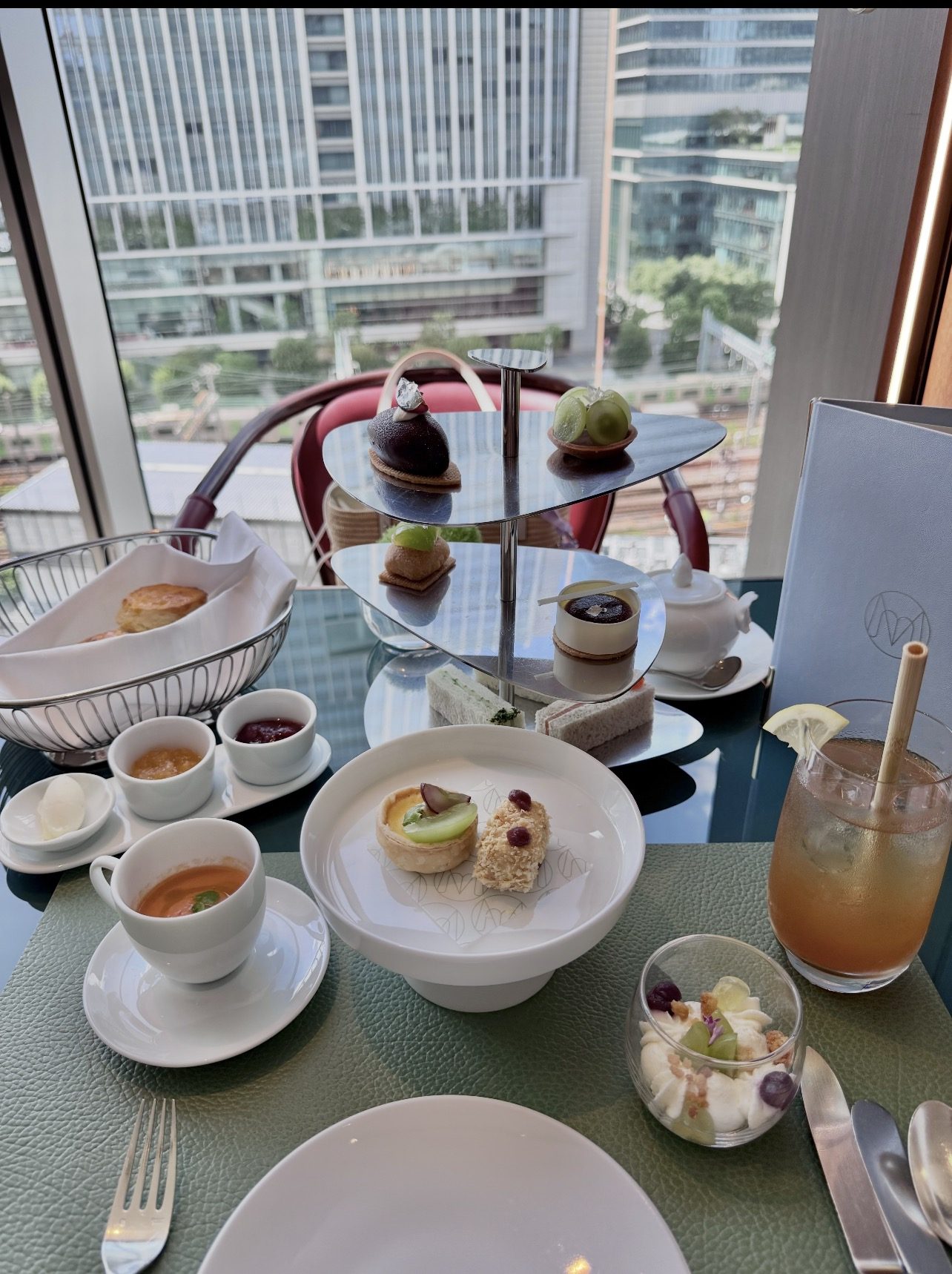
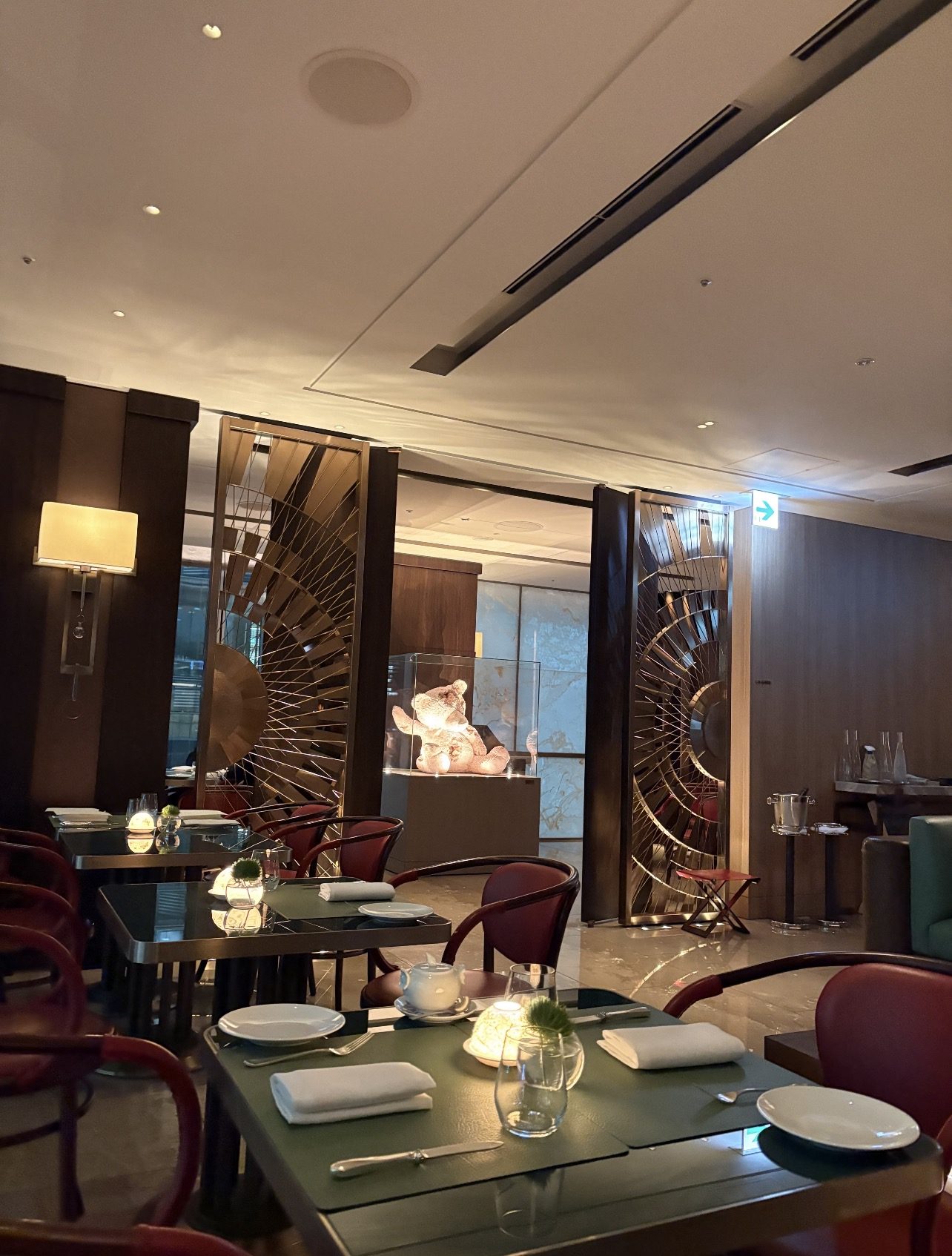
Maison Marunouchi is the all-day bistro, also designed by Fu. It does steak frites, fried chicken, caviar service and afternoon tea, plus set menus built around Ozaki wagyu. It's pleasant and competent. I'd eat there because it's upstairs, but I wouldn't cross town for it.
Other outlets
There's a Bar and Champagne Lounge for a glass before dinner. There's no club lounge. And if you've heard about the Four Seasons bar with the reputation, VIRTÙ, that one's at Otemachi.
Room service runs 24 hours. The Japanese curry and the wagyu burger have long been the orders to make.
So that's two French restaurants and a bar, which is thin for a week, but Ginza is a ten-minute walk.
Spa and gym
The spa is the weakest part of the hotel. It has two treatment rooms, a steam sauna, jet showers and a bath sold as an onsen. That bath holds about two people, and it's shared unless you ask for private use. With a tub that size, sharing it with a stranger feels less like a soak and more like a blind date. I wouldn't choose this hotel for bathing. There's no pool either.
The gym is the exception. It's 322 square metres and open 24 hours, with floor-to-ceiling windows, and it's much better than a hotel this size needs.
Sense of place
The redesign helps you feel you're in Japan, but only so far. Both restaurants are French, the view is railway and office towers, and the Japanese feel lives in the decoration and the way the staff look after you. Hoshinoya Tokyo and Aman Tokyo do Japan far better.
Is it worth it?
Yes, if your trip runs on the Shinkansen or you're travelling with small children. Otherwise, I don't think so. With low floors, trains you can hear and no pool, there are better places to stay in Tokyo.
In October 2026 entry rooms were from about ¥142,700 a night, the Eki Room about ¥146,200, the Ginza Room King about ¥186,600 and the Marunouchi Suite about ¥272,300, before tax and service. In 2017 rooms started at around ¥58,000. So you now pay two to three times as much for the same building, and it hasn't grown a pool in the meantime.
The hotel holds one Michelin Key and four Forbes stars, which seems fair to me for a hotel whose strength is its staff.
I'd book it if your trip is built around the Shinkansen: Kyoto, Kanazawa, Karuizawa, or simply arriving with too much luggage. It's also the one I'd pick with small children, because few hotels in Tokyo handle them better. Same if you've done the skyline hotels and now want staff who know your name, or if you're coming for SÉZANNE.
I'd book something else if this is your first time in Tokyo and you want the city below your window. Four Seasons Otemachi is the better choice for that, with its 39th-floor lobby, pool, palace views and VIRTÙ. If you want the station convenience on the red-brick side, The Tokyo Station Hotel is inside the station building itself. If you want a pool near the station, the Bulgari is on the same Yaesu side.
If you go, book the Ginza Room King. It's the right size and faces away from the trains, and I'd pay the extra ¥40,000 or so over the Eki Room for the better night's sleep. With children, take the Corner Ginza. If you want to see the bullet trains, watch them from the bistro window at breakfast.
At a glance
| Best for | Shinkansen-heavy trips, families with young children, repeat Tokyo visitors who value personal service, SÉZANNE diners, train fans |
| Not for | First-timers who want a skyline view, anyone who needs a pool or a proper spa, light sleepers who can't get a Ginza-side room, anyone who wants several places to eat in-house |
| Room to book | Ginza Room King (52 sq m); Corner Ginza Two Queen (65 sq m) for families |
| Room to avoid | Eki Room, unless the trains are why you came |
| Skip | The ¥8,000 breakfast if it isn't in your rate; the suites; the "onsen" |
| Don't miss | The platform meet-and-greet at Tokyo Station, on arrival and departure; breakfast at the window over the tracks |
| Rough nightly rate | From about ¥143,000 (entry) and ¥187,000 (Ginza Room King), October 2026; confirm taxes and service |